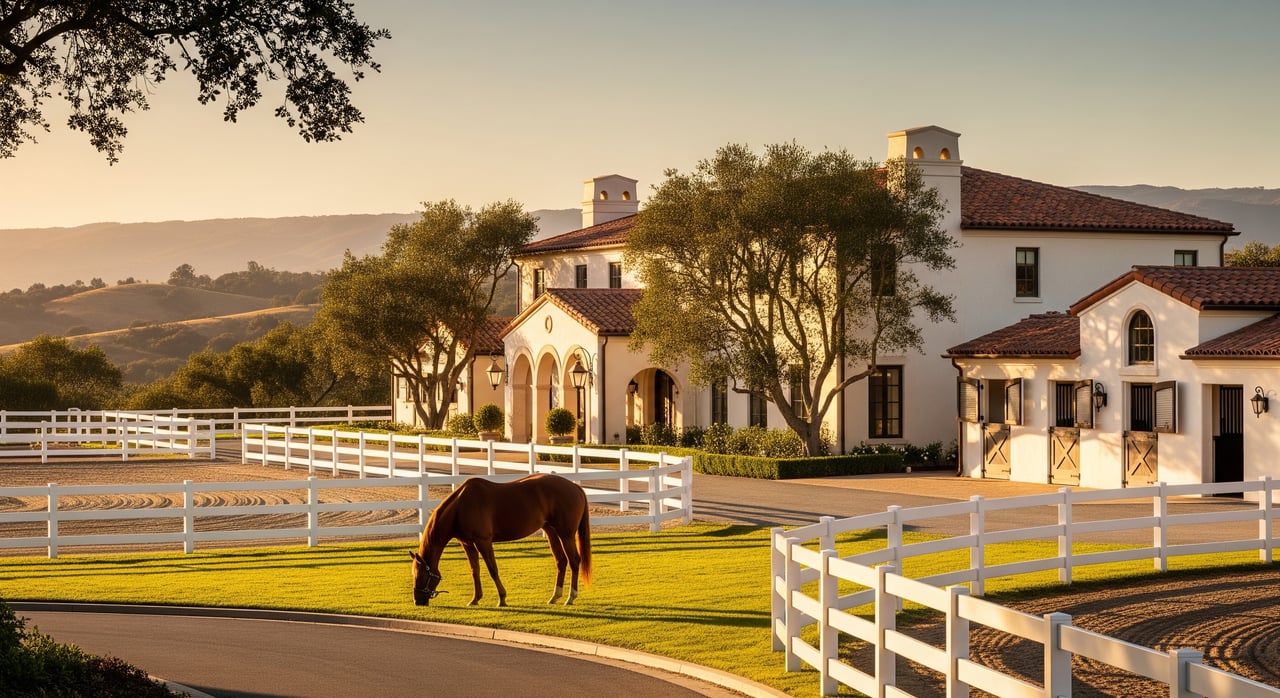
Imagine riding from your own barn onto quiet bridle trails, then cooling down in the coastal breeze. If you are considering an equestrian property in Rancho Santa Fe, you likely want that lifestyle without surprises. This guide gives you the on‑the‑ground facts you need to evaluate properties, avoid costly missteps, and plan a smooth purchase. Let’s dive in.
Why Rancho Santa Fe works for riders
Rancho Santa Fe is known for estate‑scale lots, a long‑standing bridle‑trail culture, and private roads and easements that support riding. Many buyers choose RSF to keep a few personal horses, train with local professionals, or enjoy trails as part of a larger estate setting. You also benefit from proximity to trainers, boarding, and competition venues in the Del Mar and greater San Diego area.
The Mediterranean climate supports year‑round riding. Plan for hot, dry summers and occasional winter storms that impact turnout, footing, and hay storage. Wildfire risk is part of the local reality, so site planning and construction choices matter for safety and insurability.
Know the rules before you buy
Community and land‑use rules in RSF can be stricter than typical rural areas. You will navigate multiple layers.
Zoning, Covenant, and HOA controls
- San Diego County zoning controls permitted uses, setbacks, grading, and accessory structures like barns and arenas.
- The Rancho Santa Fe Covenant and estate or neighborhood associations often set tougher standards, including commercial activity limits, setbacks, signage, and designated uses of open space and trails.
- Rules vary by parcel. There is no one‑size‑fits‑all answer.
Buyer action: Review the recorded CC&Rs, Rancho Santa Fe Association rules, and county parcel maps and zoning before you make an offer.
Easements and trail access
Private bridle trails are a signature lifestyle amenity in RSF, but access is not universal. Some parcels connect directly to internal trail systems, while others do not. Confirm any recorded trail easements, who maintains them, and whether owners share costs.
Permits and approvals
New barns, hay barns, wash racks, arenas, and major grading usually require permits and plan checks. Arena footing and drainage can trigger grading and stormwater reviews. Parcels near creeks or open space may require environmental studies or mitigation. Plan for a longer timeline if sensitive habitat is present.
Water, septic, and utilities
Water sources and capacity
Some RSF properties use municipal or district water. Others rely on private wells. Horsekeeping increases water demand for troughs, dust control, and wash racks. Verify the water source, meter size, capacity, and any restrictions on agricultural use with the seller and the water provider.
Septic and waste handling
Many rural homes use septic systems sized for household use. Septic systems are not designed for manure or heavy wash‑water. Plan for separate manure storage and removal, and ensure wash‑rack runoff is properly managed. If you plan more bathrooms or staff facilities, consult a septic professional and check permits.
Electrical and lighting
Arena lights, hot‑water wash racks, and barn equipment may require panel upgrades. Electrical and plumbing work tied to barns or arenas typically needs permits. Factor this into your budget and inspection plan.
Permits, building, and fire safety
Building and grading basics
Expect plan checks for structural, electrical, plumbing, and grading. Arena bases, drainage, and access roads can draw additional review. Work with professionals who understand equestrian facilities to avoid rework.
Wildfire standards
The Rancho Santa Fe Fire Protection District emphasizes defensible space, ember‑resistant construction, and emergency access standards. Fire‑smart design can influence insurance options and premiums. Common features include ember screening, ignition‑resistant cladding, and clear access for apparatus.
Barns, arenas, and turnout that work here
Stall and barn essentials
Most hobby barns use 10x10 to 12x12 stalls for mature horses. Focus on good ventilation, natural light, safe doors, and well‑drained flooring. A secure tack room, dry hay storage, and a wash area with proper drainage are everyday necessities.
Arena footing and drainage
Footing quality and depth are critical for soundness and performance. Sand blends with fiber or rubber are common, but the base and drainage are just as important. Proper orientation helps reduce crosswinds and speeds drying after storms. If you ride after work, evaluate lighting and nearby light spill.
Turnout, fencing, and manure
Assess the number and size of paddocks, slope, and soil type to manage mud in winter and dust in summer. Typical fencing options include pipe, vinyl, post‑and‑rail, and horse‑safe wire. Inspect for condition, anchoring, and sightline hazards. Plan a manure storage or composting area away from living spaces with a reliable haul‑off schedule to control odors and vectors.
Access for deliveries and trailers
Confirm that gates, driveways, and on‑site turning areas can handle hay trucks and horse trailers. Some gated communities and entrances limit commercial deliveries or truck size. Measure before you move in.
Services and daily logistics
Veterinary, farrier, and specialty care
You will find equine veterinarians, mobile ambulatory services, farriers, and dentistry support within a reasonable drive of RSF. Ask the seller for current service providers and visit cadence so you can maintain continuity after closing.
Boarding, training, and shows
Many owners keep horses at home and also leverage local boarding or training barns for access to trainers and competition prep. Regional venues in the Del Mar area host shows and racetrack activities, which is a plus for competitive riders.
Feed and supplies
Coastal Southern California hay prices and quality vary by season. Confirm local suppliers, delivery options for large bales, and dry, secure on‑site storage to reduce spoilage risk and fire exposure.
Community resources
Local associations and nonprofits provide education and community touchpoints. Helen Woodward Animal Center is a well‑known resource in the area, and the Rancho Santa Fe Association manages community standards and portions of the trail network.
Costs, insurance, and financing
Operating cost snapshot
Plan for recurring expenses: hay and feed, bedding, farrier work every 6 to 8 weeks, routine veterinary care, pest control, arena maintenance, fencing repair, and manure removal. If you board off‑site, rates vary widely by service level. University Extension resources offer methods to estimate per‑horse annual costs, but local prices drive the final number.
Insurance and liability
Standard homeowner policies may limit or exclude animal‑related liability. Many owners add farm or ranch endorsements or separate equine liability coverage. If you plan to board, teach lessons, or accept paid training, insurers and lenders will likely classify your setup as a business and require different coverage. Wildfire exposure can impact property insurance availability and cost.
Financing and appraisal
Lenders sometimes treat equestrian properties as nonstandard. Quality of barns, arenas, footing, and fencing, plus the availability of usable comparables, can affect underwriting and value. Seek lenders and appraisers with equestrian property experience. You may need a larger down payment or a specialized loan product.
Taxes and agricultural use
Agricultural assessments usually require bona fide commercial production that meets acreage and income thresholds. Hobby horsekeeping typically does not qualify. Consult a CPA about whether any equine activities should be treated as a business for tax purposes.
Due diligence checklist for RSF horse properties
Gather these items early to save time and reduce risk:
- Recorded deed, preliminary title report, survey, and any CC&Rs.
- Easements and agreements for private bridle‑trail access and maintenance.
- County zoning and parcel maps plus building permit history for barns, arenas, grading, and utilities.
- Water service records or well test results, meter size, and any usage restrictions.
- Septic permits and a recent inspection if available.
- Fire protection requirements and vegetation management guidelines from the local fire district.
- List of equipment, supplies, and service providers included in the sale.
- Veterinary and farrier records for any horses conveyed with the property.
Inspections and experts to engage:
- General inspector for home, barns, and outbuildings.
- Equine facility specialist to assess stall safety, ventilation, arena base and drainage, and manure systems.
- Fencing contractor for safety and condition.
- Septic professional and a grading or drainage engineer if you plan arena or site work.
- Environmental or biological assessor if the property borders sensitive habitat.
- Appraiser, lender, and insurance agent with equestrian and wildfire experience.
On‑site evaluation points:
- Water pressure and hydrant locations at the barn and arenas.
- Stall size, flooring, light, and ventilation.
- Arena footing depth, moisture management, and base compaction.
- Manure storage location, containment, and removal schedule.
- Trailer access, parking, and hay storage distance from living spaces.
- Security and neighbor uses that might affect noise or odors.
Environmental and safety essentials
Wildfire and defensible space
Design or retrofit barns with ember‑resistant materials and maintain defensible space around structures. Provide clear access for emergency vehicles and identify reliable water sources for fire response. Include evacuation planning in your setup.
Biosecurity and vector control
Good manure management reduces flies and other vectors. Keep storage covered, remove waste on schedule, and manage drainage to avoid standing water. When bringing horses onto the property, confirm vaccination history and negative Coggins test as part of your biosecurity plan.
Your next step
Rancho Santa Fe offers a rare blend of estate living and true equestrian amenities, but every parcel is different. When you balance the lifestyle you want with water, waste, wildfire, and permitting realities, you set yourself up for a safe and sustainable ownership experience. If you want a property that rides as well as it looks, align early with an agent, lender, appraiser, and inspectors who understand equestrian homes in RSF.
Ready to evaluate specific properties or plan upgrades with confidence? Connect with Kris Gelbart to discuss your goals and next steps.
FAQs
How many horses can you keep on a Rancho Santa Fe property?
- There is no single RSF‑wide number. The allowable count depends on parcel size, zoning, CC&Rs, septic capacity, and practical turnout and management. Verify limits for each parcel.
Can you run a small boarding or training business at home in RSF?
- Possibly, but you must confirm county zoning, Rancho Santa Fe Covenant rules, and any HOA restrictions. Commercial uses often trigger different permits, parking, waste management, and insurance needs.
Are Rancho Santa Fe bridle trails open to the public?
- Many RSF trails are private or association maintained. Access, use rights, and maintenance obligations vary by parcel and community agreement. Confirm recorded easements before you buy.
What wildfire protections are required for barns in Rancho Santa Fe?
- Expect defensible space, ember‑resistant construction, and clear access for emergency vehicles. The local fire district and your insurer will provide specific standards for your site.
What inspections should you order for an RSF equestrian property?
- In addition to a home inspection, plan for barn and arena assessments, fencing review, septic evaluation, and, if needed, grading, drainage, and environmental studies. Use equestrian‑savvy professionals.
How should you plan for water and manure on an RSF horse property?
- Confirm your water source, meter size, and capacity. Design a manure storage and removal plan separate from septic, with proper containment and haul‑off cadence to control odor and vectors.