Wondering when to start if you want to sell a Rancho Santa Fe estate without feeling rushed? In a market where presentation, pricing, and timing can shape your result, the selling timeline matters more than many owners expect. If you plan ahead, you can make smart decisions, protect your privacy, and bring your home to market in a more polished way. Let’s break down what a realistic timeline can look like.
Why timing matters in Rancho Santa Fe
Rancho Santa Fe is a high-value market, but that does not mean every estate follows the same path or pace. Recent market snapshots point to strong values, yet the reported time on market varies by source, with one report showing a median of 20 days on market and another showing a 66-day median. That gap is a good reminder that your timeline should be built around your specific property, not a broad city average.
Pricing and preparation tend to work together here. A well-prepared estate can make a stronger first impression, while a rushed launch can limit interest and create avoidable stress. If your goal is to attract serious buyers and position your home well, planning early gives you more control.
Start planning 8 to 12 weeks ahead
For many Rancho Santa Fe estates, a conservative planning window is about 8 to 12 weeks before launch. You may need more time if the property requires repairs, estate cleanout, staging, or review for certain exterior changes.
That does not mean every seller needs three months of work. It means you should give yourself enough room to move through each stage in the right order: strategy, preparation, approvals, media, launch, showings, negotiation, and closing.
Weeks 8 to 12: Build the strategy
This is the time to schedule your initial pricing and listing consultation. You want to walk the property, review condition, identify repairs, and decide which updates are actually worth doing before the home hits the market.
If the estate is occupied, this is also when decluttering should begin. Packing nonessential items early can make the home easier to prepare later, especially if you need off-site storage or a larger cleanout plan.
Fannie Mae’s seller guidance recommends inspecting the home inside and out before listing, then handling needed repairs, maintenance, and cosmetic updates in advance. For an estate property, this early review can help you avoid last-minute delays.
Weeks 8 to 12: Check Rancho Santa Fe approvals early
Rancho Santa Fe has local rules that can affect your prep schedule. Within the Rancho Santa Fe Association jurisdiction, some exterior changes, construction, and sign placement may require review or approval.
The Protective Covenant gives the Association authority over commercial signs, including for-sale signs, and the Association states that the Art Jury reviews development and building applications. If you are considering exterior touch-ups, gate work, landscaping changes, or other visible improvements, it is wise to check the approval path as early as possible.
The Association also uses a digital permit and review system with online status tracking. While that can help with the process, it still reinforces the need to plan ahead rather than wait until right before launch.
What to finish 4 to 6 weeks before listing
Once the strategy is set, the next stage is execution. This is usually the window for completing repairs, paint touch-ups, landscaping work, deep cleaning, and staging preparation.
At this point, every decision should support presentation and marketability. You do not need to do everything. You need to focus on the updates that help the home show cleanly, consistently, and in line with buyer expectations for the price point.
Prioritize the prep buyers notice most
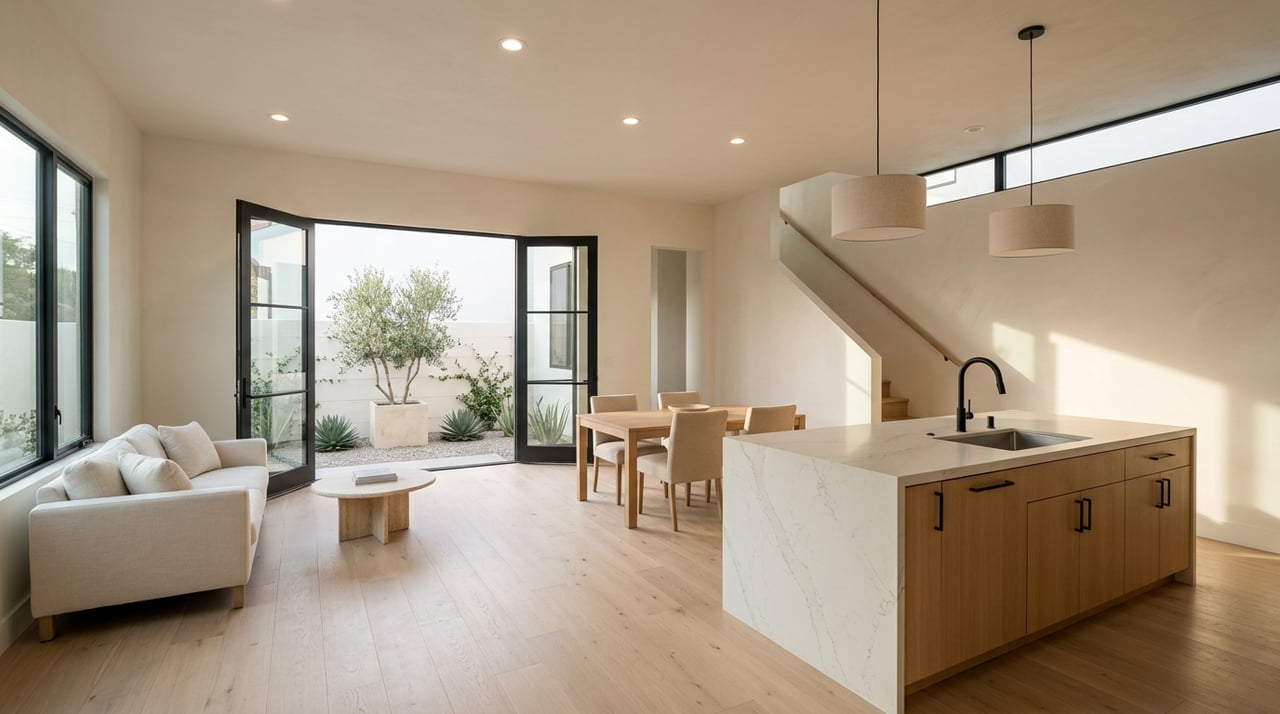
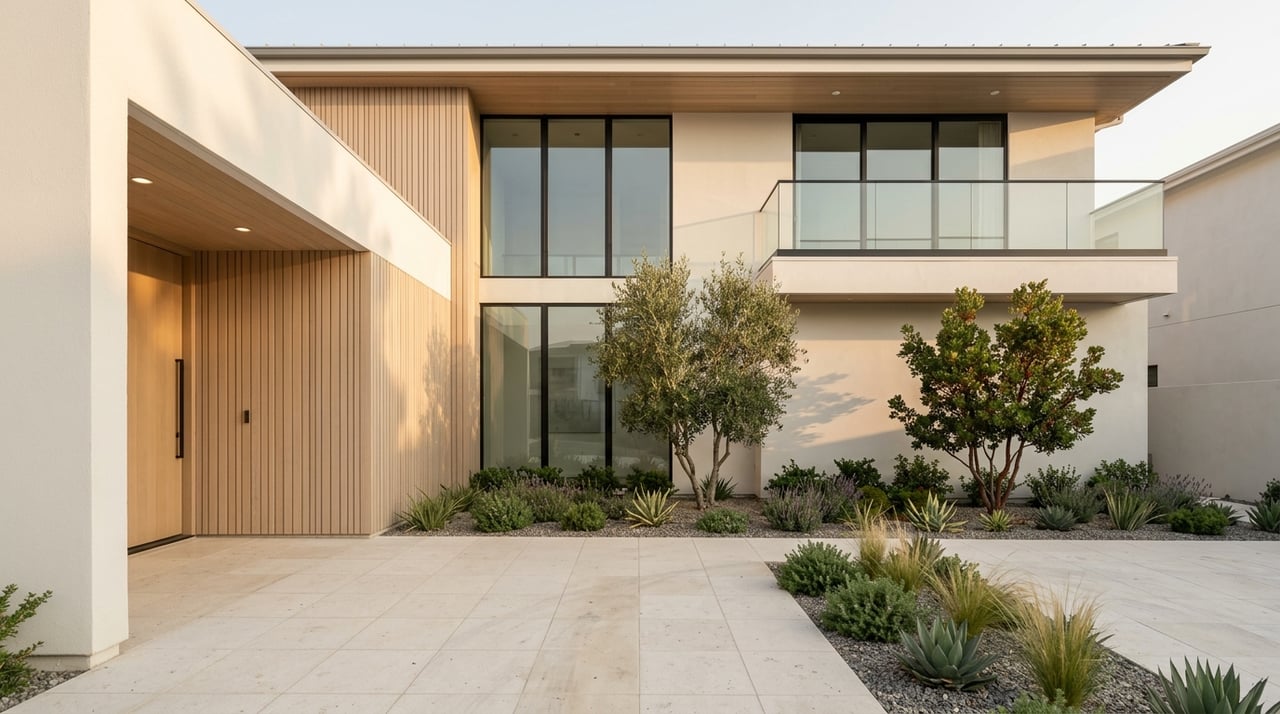
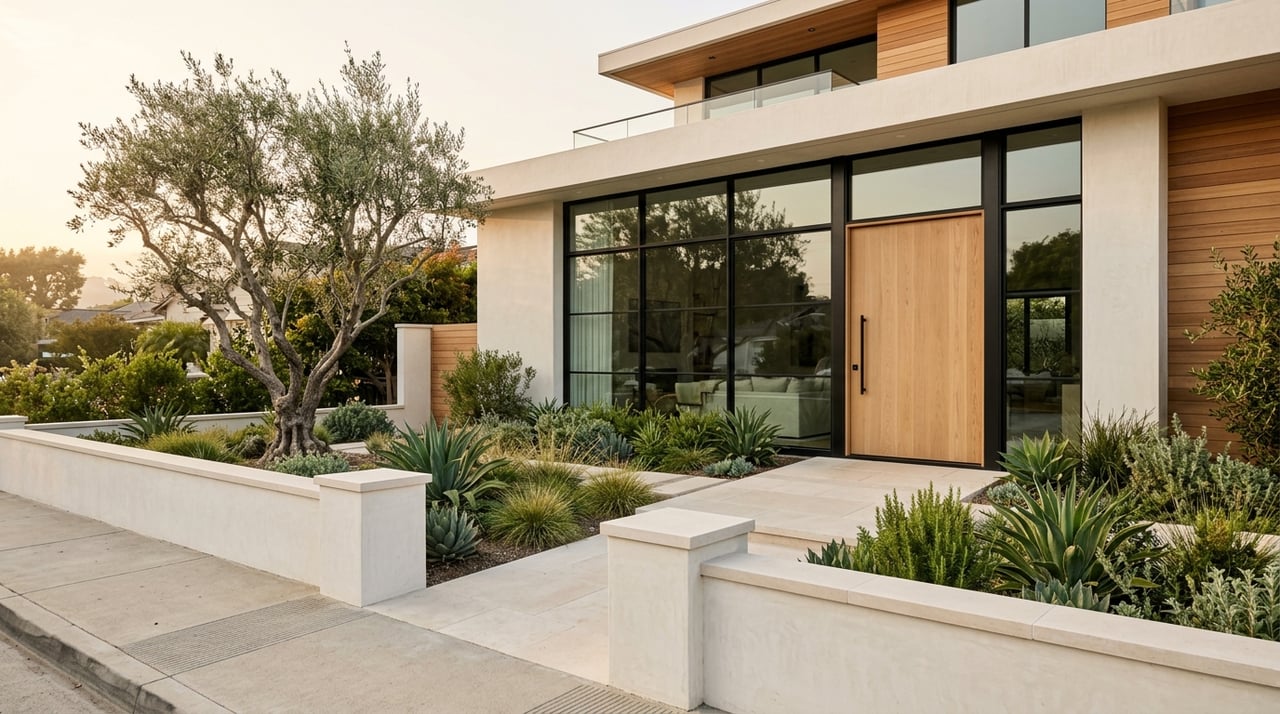
According to the National Association of Realtors’ 2025 staging report, the recommendations sellers hear most often are decluttering, cleaning the whole home, and improving curb appeal. The same report found that staging commonly focuses on the living room, primary bedroom, dining room, and kitchen.
That is useful because it helps you focus your time and budget. In a Rancho Santa Fe estate, buyers often respond first to overall flow, light, condition, and how easily they can picture themselves living in the space.
Schedule marketing after the home is ready
Photography, video, floor plans, and marketing copy should be scheduled after the home is fully prepared. If you shoot too early, you may end up with images that do not reflect the property at its best.
The same NAR report found that 83% of buyers’ agents said staging made it easier for buyers to envision a property as a future home. It also reported that photos, videos, and virtual tours are highly important in listings. That makes final presentation a critical step, not a cosmetic extra.
What to do 1 to 2 weeks before launch
The final stretch before listing is about details, polish, and logistics. This is when you want final cleaning complete, styling locked in, and every showing-related decision made in advance.
You should also confirm practical items like access instructions, alarm details, lockbox plans, and whether any rooms, closets, or storage areas will remain off-limits. If privacy matters to you, this is the right time to define the showing protocol.
Plan for privacy and security
Once a home is listed, buyers may tour at different times and sometimes with little notice. Fannie Mae advises sellers to lock away valuables and keep pets safe once the property is active.
For a Rancho Santa Fe estate, that guidance matters. Larger homes often include private offices, collections, staff areas, guest houses, or personal spaces that need clear access rules. When those decisions are made before launch, your listing process tends to feel smoother and more controlled.
The first 2 weeks on market matter most
The first two weeks after launch are often the clearest test of whether your pricing and presentation are connecting with the right buyers. This is when you should closely monitor showing traffic, buyer feedback, and the overall quality of interest.
If the home is not getting attention, Fannie Mae notes that sellers may need to adjust strategy, reduce price, add incentives, or temporarily take the home off the market. That does not mean every quiet start requires a price change. It means the market response should guide your next move.
Watch feedback, not just days on market
Because local data sources show different median time-on-market numbers, it is smart to avoid relying too heavily on one headline statistic. One source may point to a faster-moving window, while another shows a longer one.
What matters more is how your estate compares to its likely buyer pool, condition, and price bracket. If serious buyers are touring but hesitating, that feedback can be valuable. If activity is light from the start, your strategy may need a quicker adjustment.
Under contract to closing
Once you accept an offer, the timeline becomes contract-driven. The agreement typically sets the inspection period, contingencies, and closing date.
Fannie Mae describes closing as the final step, when ownership transfers and the seller receives proceeds after the contract conditions are met. Because those dates are negotiated, it is best not to expect one fixed number of days from contract to close.
Expect the timeline to vary by deal
Some transactions move smoothly with few changes. Others take longer because of inspections, negotiations, financing, or contingency timing.
That is one reason early planning helps so much. When the property is well prepared before launch, you may reduce surprises later and enter negotiations from a stronger position.
A simple Rancho Santa Fe seller timeline
Here is a practical way to think about the process:
| Timing | Main Focus |
|---|---|
| 8 to 12+ weeks before launch | Pricing consultation, property walkthrough, repair planning, decluttering, storage or cleanout planning, approval checks |
| 4 to 6 weeks before launch | Repairs, paint, landscaping, cleaning, staging prep |
| 1 to 2 weeks before launch | Final styling, photography, video, floor plans, showing instructions, security planning |
| First 2 weeks on market | Track traffic, review feedback, evaluate pricing and strategy |
| Under contract to closing | Inspections, contingencies, negotiations, final closing steps |
How to build a smoother selling timeline
If you want a more organized sale, focus on sequence instead of just the list date. In Rancho Santa Fe, that often means giving each phase enough room to be done well.
A smoother timeline usually includes:
- Early pricing and strategy review
- Clear repair and update decisions
- Time for decluttering and cleanout
- Early review of any Association-related exterior issues
- Staging and marketing only after prep is complete
- A defined privacy and showing plan before launch
- Close tracking of feedback once the home is live
That kind of planning helps reduce rushed decisions. It also supports the polished presentation many estate sellers want.
Why local guidance helps
Selling an estate is rarely just about putting a sign in the yard and waiting for offers. In Rancho Santa Fe, the process can include extra lead time for prep, approvals, presentation, and privacy planning.
That is why many sellers benefit from a concierge-style approach that brings strategy, staging, professional marketing, and negotiation together from the start. When your timeline is built around the home itself, you are in a better position to launch with confidence.
If you are starting to think about your next move, Kris Gelbart can help you map out a thoughtful timeline, prepare your property for the market, and position your Rancho Santa Fe estate for a strong debut.
FAQs
How far in advance should you plan to sell a Rancho Santa Fe estate?
- A practical planning window is about 8 to 12 weeks before launch, with more time if the home needs repairs, cleanout, staging, or Association-related review.
What can delay the timeline to sell a Rancho Santa Fe estate?
- Common factors include significant repairs, decluttering, estate cleanout, staging, exterior work that may need review, and the contract timeline after an offer is accepted.
Do Rancho Santa Fe Association rules affect an estate sale timeline?
- They can, especially if you are planning exterior changes or sign placement that may require Association review or permit approval.
When should photography and video be scheduled for a Rancho Santa Fe listing?
- Marketing media should usually be scheduled after repairs, cleaning, landscaping, and staging are complete so the home is presented at its best.
How important are the first two weeks after a Rancho Santa Fe estate is listed?
- They are important because early traffic and feedback can show whether the pricing and presentation are attracting the right buyers.
Is there a fixed closing timeline after accepting an offer on a Rancho Santa Fe estate?
- No. The closing timeline is generally driven by the contract terms, including inspections, contingencies, and the negotiated closing date.