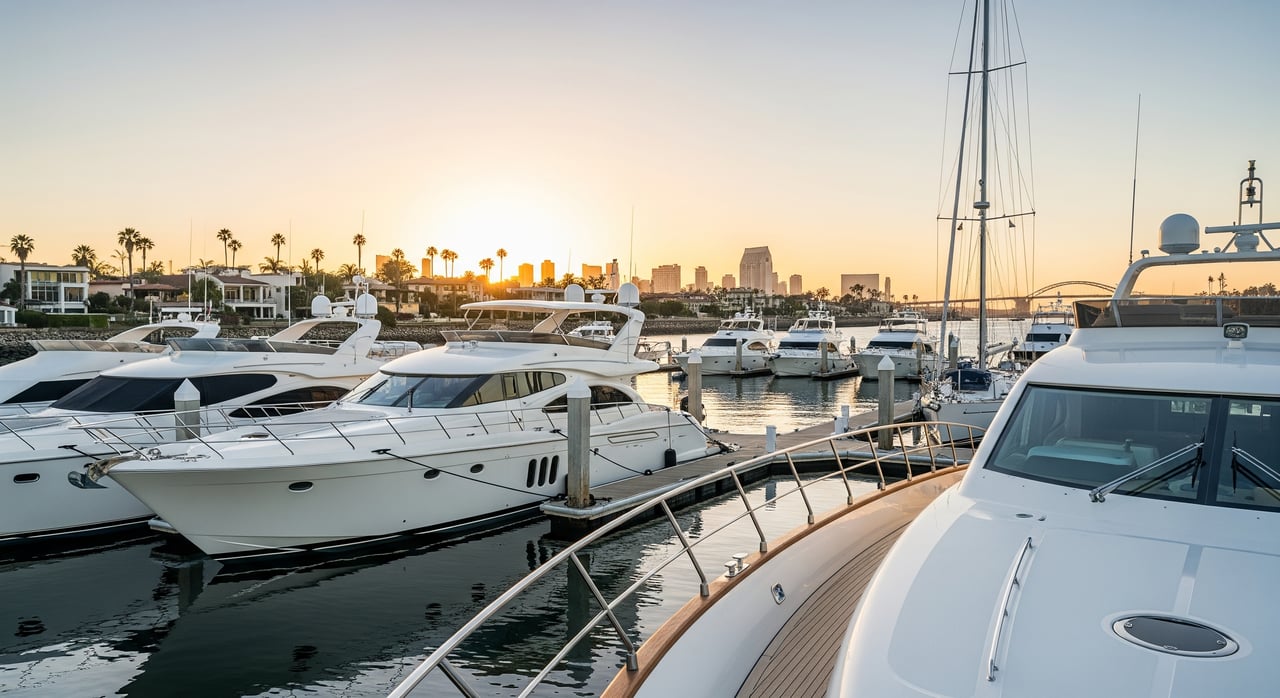
Do you imagine finishing work, grabbing a tote of provisions, and being on your boat in minutes? If you live in or near Point Loma Heights, that lifestyle is within reach. You have sheltered marinas, full‑service yards, and immediate access to the Pacific, all close by. In this guide, you’ll learn how the local marina scene works, what it costs, what to watch for, and how boating fits into your home search or sale in Point Loma Heights. Let’s dive in.
Why Point Loma Heights appeals to boaters
You sit upland from San Diego Bay’s entrance with a short drive to Shelter Island, Harbor Island, and the Embarcadero. That means quick trips to slips, fuel docks, and repair yards, plus easy provisioning from neighborhood shops. The bay is well protected, yet you can be through the channel and into open ocean in short order.
The climate supports year‑round boating with mild temperatures. Summer brings a reliable northwest sea breeze and some “June Gloom” mornings. Winter can bring larger south or southwest swell and occasional storms. Timing your runs through the bay mouth matters due to tidal currents, localized surge near the Point, and commercial traffic.
Marina and slip options nearby
Public marinas and services
Public marinas in San Diego Bay commonly offer long‑term slip rentals, transient dockage, fuel, and pumpouts. They are popular for their sheltered locations and access to dining and shops. Policies, rates, and waitlists vary, so plan ahead.
Private marinas and yacht basins
Private facilities on Shelter Island, Harbor Island, and nearby areas often provide added amenities like clubhouses or restaurants. Some are tied to memberships and may have initiation fees, monthly dues, or waiting lists.
Moorings and anchorages
Designated mooring fields and transient anchorages exist in parts of the bay. Moorings can be more affordable than slips, but they trade convenience for cost savings. Permits and size limits apply.
Dry stack and boatyards
Smaller boats may fit in dry stack storage for quick launch and retrieval. Larger yachts rely on local yards with travel lifts for haulouts, bottom paint, and major repairs. Proximity to these services can reduce downtime.
Liveaboard policies
Some marinas permit liveaboards under specific rules and permits. Others do not. Liveaboard counts are often limited. If living aboard is part of your plan, confirm policies directly with each facility before you sign anything.
How to choose the right marina
Compare fit and infrastructure
Consider the basics first:
- Slip size: length, beam, and draft at low tide.
- Utilities: shore power (amps and phase), water, Wi‑Fi, and pumpout access.
- Services: on‑site fuel, chandlery, repair yard, and travel lift.
- Security: gated docks, cameras, on‑site staff, and patrol coordination.
- Parking and access: reliable parking, easy provisioning, and distance from home.
Understand availability and paperwork
Ask about waitlists, transient policies, and required documentation. Some facilities operate on long wait times for certain slip sizes. Keep your vessel specs and insurance ready to speed up applications.
Costs and budgeting basics
Common tenure models
- Slip rental: Monthly or annual slip lease is the most common route in Southern California.
- Membership access: Some marinas or yacht clubs require membership with initiation fees and dues.
- Mooring permits: Often less costly than slips but less convenient.
Key cost drivers
Prices vary by slip length and beam, location within the harbor, and included utilities. Added services, membership dues, and market demand can influence rates. Prime sheltered locations or slips closer to open water often command premiums.
Ongoing expenses to plan for
- Slip or mooring fees
- Insurance for hull and liability (often required)
- Maintenance and upgrades (engines, electronics, bottom paint, canvas)
- Haulout and yard work
- Fuel and provisioning
- Registration, taxes, and possible assessments
A common industry guideline is to budget several percent of your vessel’s value each year for routine maintenance. Older or more complex boats may require more.
Services and support around Point Loma
You have access to full marine support nearby: fuel docks for gas and diesel, pumpouts for blackwater, chandleries for parts, and specialists for diesel, rigging, and fiberglass or paint. Travel lifts and yards handle haulouts. Local brokerages and surveyors assist with buying and selling boats. Towing and salvage services are available for emergencies.
Yacht clubs and boating community
Yacht clubs host regattas, cruising events, racing series, and social gatherings. They can help you learn local conditions, meet like‑minded boaters, and discover volunteer or junior programs. Annual highlights often include holiday boat parades and regional regattas that bring energy to the waterfront.
Destinations and cruising ideas
Short rides from your slip include Shelter Island, Harbor Island, Coronado, and the downtown Embarcadero. Ocean access opens day sails, sportfishing runs, and coastal passages to La Jolla, Catalina Island, or Baja California. Plan departures and returns around tides and swell at the bay mouth, and stay mindful of commercial traffic.
Safety, rules, and local knowledge
Carry the required safety gear, and follow state and Coast Guard rules on life jackets, fire extinguishers, and navigation lights. California registration applies to most recreational vessels, and some operator education rules apply by age. Inside the harbor, follow speed and no‑wake zones, and respect mooring and transient dock policies.
Environmental protection is a priority. Use pumpouts and proper fueling procedures, manage bilge water and oils responsibly, and follow hazardous waste disposal rules. Give protected species ample space. For planning, rely on up‑to‑date charts and tide or current predictions, and check local harbor notices before you go.
Sustainability and resilience
Many local marinas participate in Clean Marina or Clean Boating programs to reduce pollution. Regional agencies also study sea‑level rise and shoreline resilience, which can influence long‑term planning and infrastructure. Ask your marina about their environmental practices and any planned upgrades.
Real estate impact for buyers and sellers
What buyers should consider
- Proximity to your slip: Living close to your marina reduces time to the boat and simplifies provisioning.
- View and exposure: Homes with bay or ocean views often carry premiums. Confirm actual rights to any “marina access” that is advertised.
- Slip ownership vs. lease: In this area, slips are typically leased, not deeded. Verify terms, transferability, and any membership obligations before you rely on a slip in your home purchase plan.
- Liveaboard and HOA rules: If you plan to live aboard, confirm marina rules and any HOA restrictions that might apply to overnight parking, storage, or guest dock use.
- Insurance and flood risk: Waterfront homes can require specialized coverage. Consider wind, surge, and long‑term sea‑level planning in your risk assessment.
- Noise and traffic: Marinas can bring engine sounds, early morning movements, and seasonal activity. Visit at different times to gauge the fit.
What sellers should highlight
- Access benefits: Emphasize short drive times to Shelter Island or Harbor Island, secure parking, and nearby provisioning.
- Storage and logistics: Showcase garage or gear storage that supports boating life (coolers, tackle, sails, paddle gear).
- Outdoor living: Present patios, decks, and views that connect to the water experience.
- Disclosure clarity: If a condo complex markets “marina access,” clarify whether it is deeded, leased, or subject to waitlists to avoid buyer confusion.
Step‑by‑step to secure a slip
- Define your vessel profile. Length overall, beam, draft, electrical needs, and any height considerations for bridges or mast clearance.
- Map your target marinas. Compare drive times from Point Loma Heights and note parking and provisioning convenience.
- Call for availability. Ask about waitlists for your size category, transient options, and required documents.
- Prepare your paperwork. Registration or documentation, insurance, and recent photos or survey details if requested.
- Tour the docks. Confirm depth at low tide, dock condition, security, and nearby services like fuel and pumpouts.
- Plan for timing. If a waitlist applies, set a short‑term plan (mooring or alternative marina) while you wait.
A weekend on the water
Many locals use Saturdays for a mid‑morning departure, a fuel stop, and a bay cruise to Coronado for lunch, followed by a sunset return with the afternoon breeze. Others run outside the bay for a coastal fish or a relaxed sail toward La Jolla when conditions allow. With sound tidal planning, you can enjoy the ocean one day and sheltered bay time the next.
Work with a trusted local advisor
If you are planning a move that supports a boating lifestyle, align your home search or sale with your marina goals. A seasoned real estate partner can help you weigh HOA rules, insurance needs, view premiums, and the true convenience of each address relative to your slip. For tailored guidance near Point Loma Heights and across the San Diego coast, connect with Kris Gelbart for a conversation about your next step.
FAQs
What is the difference between a slip and a mooring in San Diego Bay?
- A slip ties your boat to a fixed dock for easy access and utilities, while a mooring is a buoy you pick up by tender; slips are usually more convenient and cost more.
Can I live aboard my boat near Point Loma Heights?
- Some marinas allow liveaboards under strict permits and limits, while others prohibit them; confirm each marina’s policy before you commit.
How do I find a marina slip near Point Loma Heights?
- Contact public and private marinas directly about availability and waitlists, and be ready with your vessel specs, insurance, and registration.
What boat ownership costs should I budget in San Diego?
- Plan for slip or mooring fees, insurance, routine maintenance, haulouts and bottom work, fuel, registration, and possible club dues.
Are there navigation challenges when exiting San Diego Bay?
- Yes, expect strong tidal currents, localized surge near the bay entrance, and commercial traffic; use current charts and tide or current predictions.
How does owning a boat affect a home purchase near Point Loma?
- You may value proximity to your slip, storage, parking, and view premiums; verify any “marina access,” consider insurance, and review HOA or liveaboard rules.