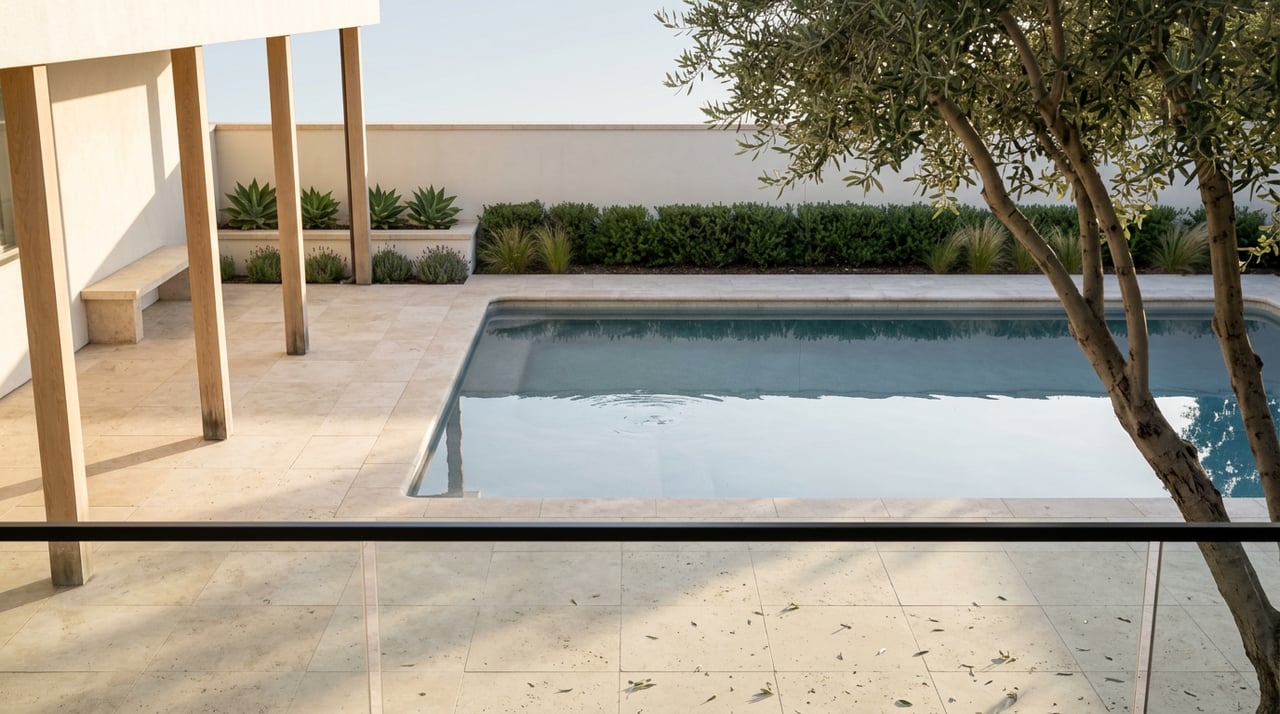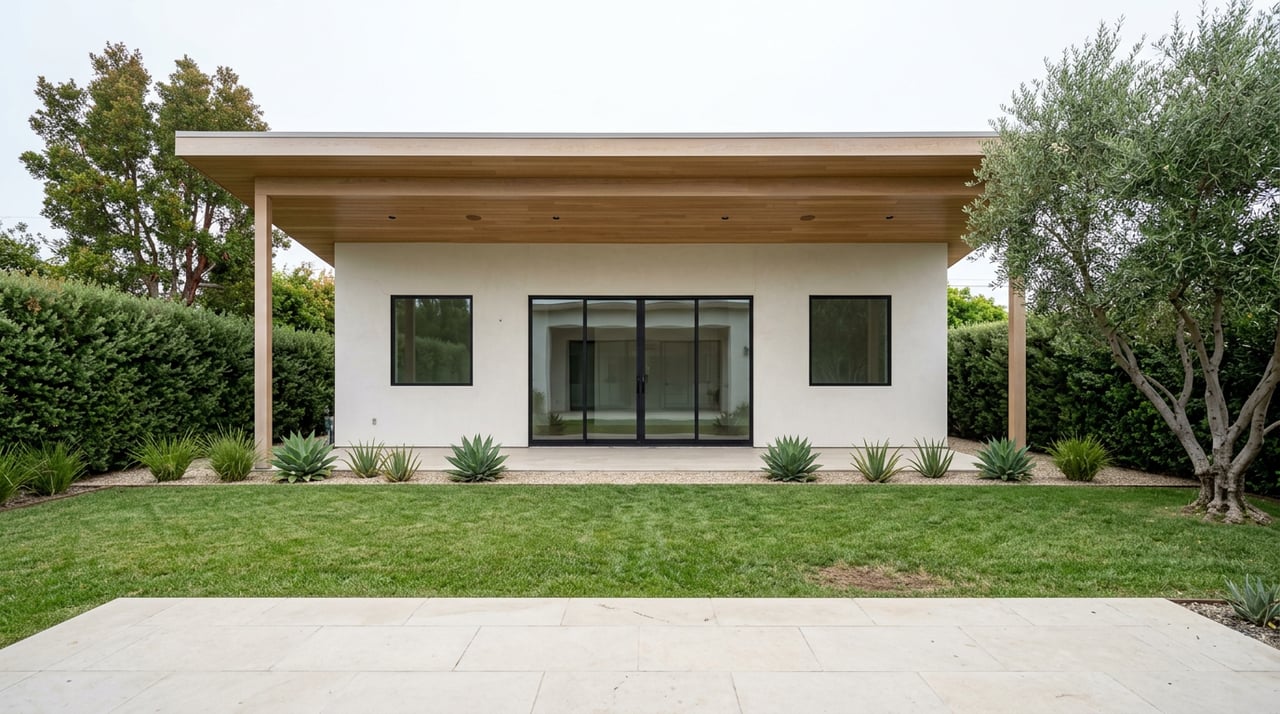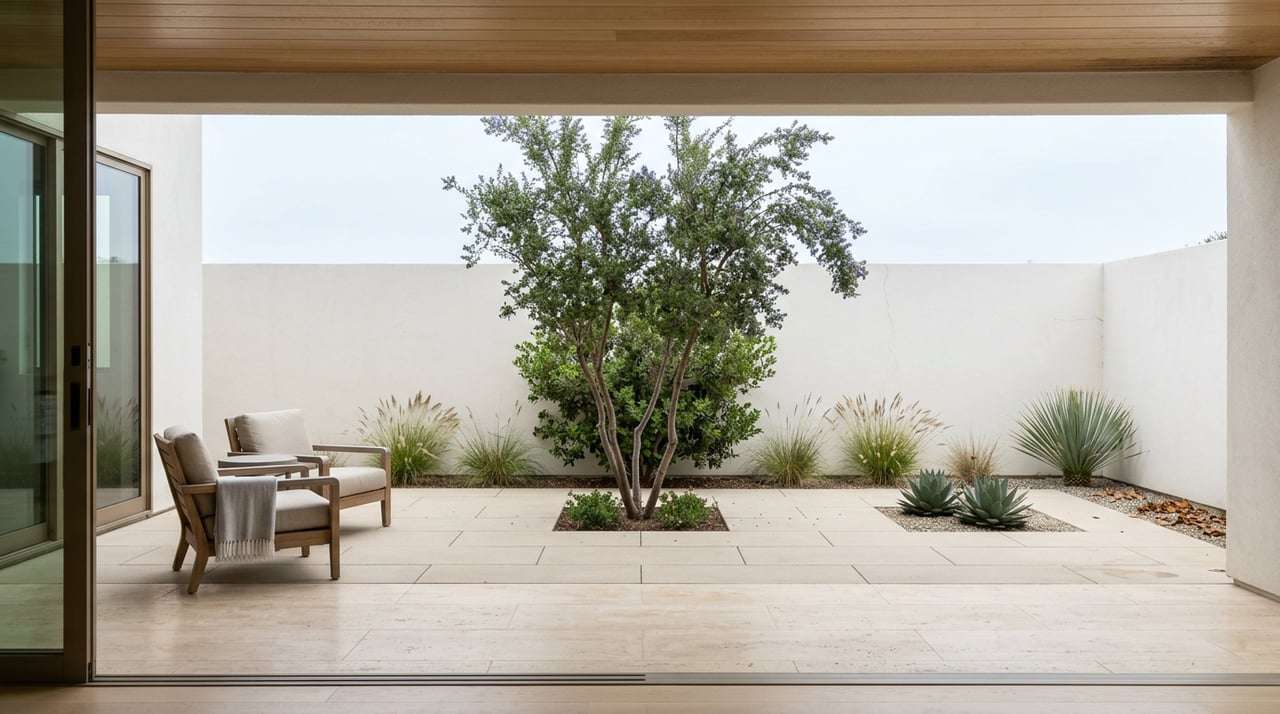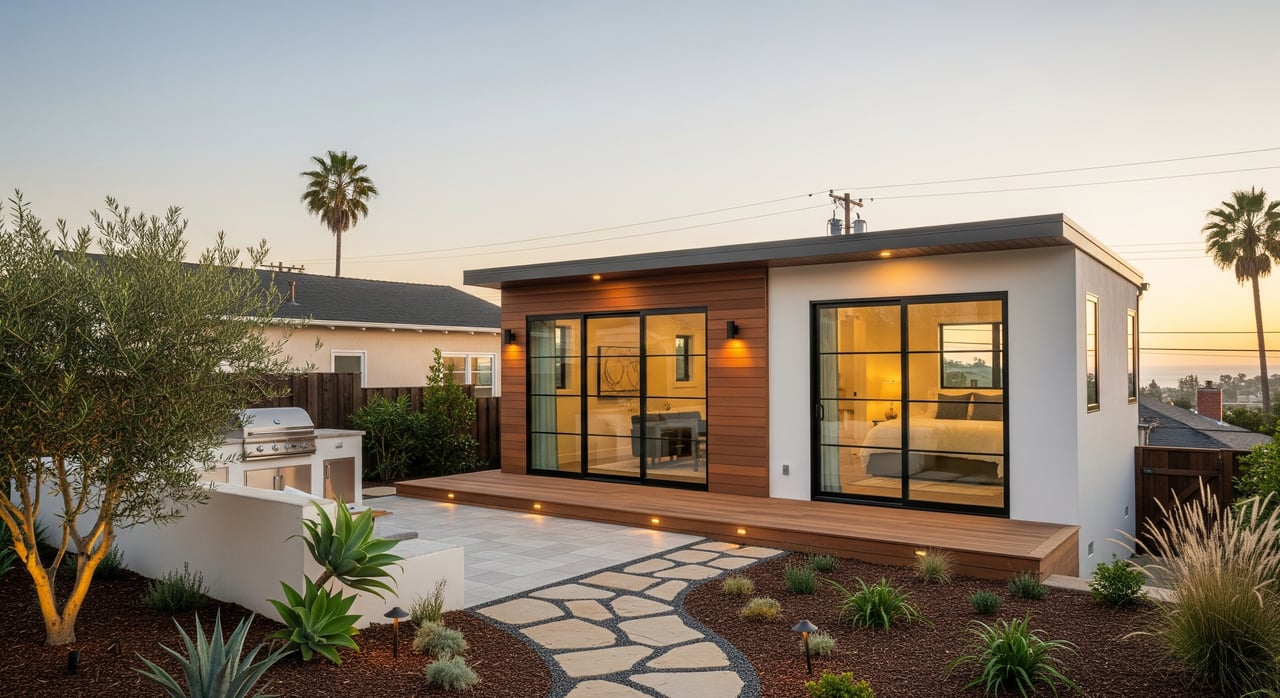
Thinking about adding an accessory dwelling unit to your Point Loma Heights property? You are not alone. ADUs can unlock rental income, create space for family, and boost resale potential. The coastal setting and neighborhood character can add complexity, though. This guide shows you how ADU rules work here, what to expect on cost and timing, and how to model return on investment so you can move forward with confidence. Let’s dive in.
Why ADUs matter in Point Loma Heights
ADUs can serve many goals at once. You can generate long-term rental income, create a private suite for multigenerational living, or set up a flexible guest space or home office. In coastal neighborhoods like Point Loma Heights, thoughtful design and privacy often increase appeal and demand. Many buyers also value a well-executed ADU, which can support a stronger sale when you are ready to list.
Rules that govern ADUs here
State of California baseline
California laws adopted since 2017 make it easier to add ADUs. The state promotes ministerial approvals that rely on objective standards, and it limits barriers such as excessive parking mandates. You can typically pursue detached ADUs, attached ADUs, garage or interior conversions, and junior ADUs. Cities still apply local standards like building codes, objective design rules, and fees.
City of San Diego basics
San Diego processes ADU applications through Development Services. Many projects follow a ministerial path when they meet objective standards. You will confirm items like maximum ADU size, setbacks, lot coverage or floor area, and parking rules. Plan for utility connection requirements and City fee schedules that vary by ADU size and whether you are converting an existing space. Check the current City policy early, since fees and procedures can change.
Coastal and historic overlays
Much of Point Loma sits in the Coastal Zone and Coastal Overlay areas. Depending on your parcel and design, you may need coastal-related reviews or a Coastal Development Permit under the City’s certified Local Coastal Program. Near bluffs and slopes, expect attention to stability, setbacks, and visual impacts. If your property is a designated historic resource or within a historic area, you may face additional design review to maintain neighborhood character.
HOAs and CC&Rs
If your home is governed by a homeowners association, review covenants and architectural guidelines before you spend on plans. Private rules can be stricter than City standards. Many HOAs require formal approval for exterior changes, ADU placement, and rental policies.
Site and design choices
Types and tradeoffs
- Garage or interior conversions. Lowest cost and faster timeline, but limited square footage and layout flexibility.
- Attached ADUs. Moderate cost with potential to leverage the existing structure, though setbacks and lot coverage can limit size and placement.
- Detached ADUs. Highest cost yet maximum privacy and design flexibility, with larger impacts on lot coverage and access.
- Junior ADUs. Smaller, interior units with limited kitchens that generally permit faster, simpler approvals but lower rent potential.
Common local constraints
Hilly lots increase foundation, drainage, and engineering needs. Properties near coastal bluffs may require geotechnical analysis and stricter setbacks. Older homes can need utility upgrades or long runs to reach the ADU location, which adds cost. Narrow streets and limited curb space challenge parking and construction staging. Historic character expectations can shape exterior materials, rooflines, and window choices.
Permits, studies, and timeline
Typical permits and studies
Most projects include building, electrical, plumbing, and mechanical permits. New foundations, grading, or drainage work can trigger site and grading permits. You may need a geotechnical or soils report, and structural engineering for hillside or coastal conditions. Coastal or historic overlays can add Coastal Development Permit or historic resource review. Some sites require environmental checks for trees, biology, or cultural resources.
How long it takes
- Pre-design and feasibility. 1 to 4 weeks to confirm zoning, overlays, and HOA rules, often longer in the coastal zone.
- Design and submittal. 4 to 12 weeks for plans and engineering.
- Permit review. Ministerial reviews can take weeks to a few months. Coastal or historic reviews can add months.
- Construction. Garage conversions often finish within a few weeks to a few months. Detached ADUs can run several months to a year.
- Total timeline. Straightforward conversions may wrap in a few months, while complex coastal sites can take 12 to 18 months or more.
Costs and fees: what drives budget
Budget drivers vary widely by site and scope. Key factors include:
- ADU type and size, with conversions typically lowest cost and detached new builds highest.
- Finish level and systems, including kitchen, bath count, HVAC, and appliances.
- Foundation and site work, such as grading, retaining walls, and drainage.
- Utility access and capacity upgrades for sewer, water, gas, and power.
- Coastal, historic, or geotechnical requirements that add studies and engineering.
- Contractor availability and labor conditions in San Diego.
- City fees, design fees, and potential impact or connection charges.
Confirm current City fee schedules and utility connection costs before finalizing your budget. Request detailed contractor bids that separate site work, utilities, foundation, and specialty engineering.
Short-term vs long-term rental rules
Short-term rentals can look attractive, but they are heavily regulated in coastal neighborhoods. San Diego has a registration and permit framework with rules that vary for primary and non-primary residences. There are also transient occupancy taxes and insurance considerations. Always confirm what is allowed for your property before you underwrite an STR-based plan. Long-term rentals are more common for ADUs and often simpler to operate.
Modeling ADU ROI in Point Loma Heights
Start with a clear pro forma so you can compare scenarios and decide if an ADU is the right move.
- Capture upfront cost. Include design, engineering, permits, utility upgrades, construction, landscaping, and soft costs.
- Estimate income. Use local comps for comparable unit size and finishes. Apply a realistic occupancy rate and account for lease-up time.
- Build operating expenses. Include maintenance, utilities if you pay them, property management, insurance, property taxes, and a vacancy reserve.
- Add financing. Include interest during construction, origination fees, and refinance costs if you plan to roll into a permanent loan.
- Calculate annual NOI. Rent multiplied by occupancy minus operating expenses.
- Check cash flow. Subtract debt service to see your annual cash flow and simple payback period.
- Consider value at sale. Many buyers pay a premium for a well-designed, permitted ADU. Appraisers may capitalize income from the ADU to reflect added value.
- Run sensitivity tests. Model low, mid, and high rent; longer vacancies; and higher-than-expected construction costs.
Local ROI factors to watch
Point Loma Heights rewards careful assumptions. The following often swing returns more than expected:
- Coastal reviews and geotechnical needs that add time and fees.
- Utility upgrades for older homes and long runs to a rear-yard unit.
- Parking and staging constraints that lengthen builds and increase carrying costs.
- Lost rent on the main home if you need to vacate during construction.
- STR limits that reduce projected income compared to initial plans.
- Buyer demand for turnkey ADUs that can lift resale price when executed well.
Point Loma Heights ADU checklist
- Confirm zoning and overlays. Identify if you are in the Coastal Overlay, near bluffs, or in a historic area. Note any floodplain or resource protection layers.
- Review HOA and CC&Rs. Verify whether ADUs and rentals are permitted and what design approvals are required.
- Explore site options. Compare garage conversion, attached, and detached concepts with a designer familiar with coastal and historic requirements.
- Map utilities. Locate sewer, water, gas, and power. Ask about capacity and connection points.
- Build a budget. Get line-item bids for site work, foundation, utilities, and coastal or historic studies.
- Plan permits. Ask City staff whether your ADU can follow a ministerial path or if a Coastal Development Permit or historic review is needed.
- Validate rents. Gather rental comps from similar Point Loma units by size and finish. Use conservative numbers.
- Structure financing. Evaluate construction loans and refinance options with lenders familiar with ADUs.
- Select the team. Choose a contractor with coastal ADU experience and check references, insurance, and prior permits.
- Submit and manage. Provide complete plans and required reports to reduce review delays.
Final thoughts
An ADU in Point Loma Heights can be a smart long-term move when you align the design with your lot, account for coastal or historic overlays, and underwrite costs conservatively. A clear permitting path and a realistic pro forma will help you avoid surprises and protect your timeline. If you are thinking about rental income today and resale potential tomorrow, a well-executed ADU can support both goals.
If you want a local perspective on market demand, rentability, and resale value for your specific property, connect with Kris Gelbart for guidance and to Request a Complimentary Home Valuation.
FAQs
How long does an ADU take in Point Loma Heights?
- Simple conversions can finish within a few months, while detached ADUs in coastal or historic areas can run 12 to 18 months or more due to added reviews and construction complexity.
What permits are needed for a detached ADU in Point Loma Heights?
- Expect building, electrical, plumbing, and mechanical permits, plus potential site or grading permits, geotechnical and structural reports, and coastal or historic review if overlays apply.
Are ADUs allowed in the coastal zone of Point Loma Heights?
- Yes, but parcels in the Coastal Zone often face additional review under the City’s Local Coastal Program, and some projects may require a Coastal Development Permit with coastal-specific standards.
Do I need to provide parking for an ADU in Point Loma Heights?
- State law reduces some parking requirements, but you still need to follow objective local rules and consider on-street conditions in older neighborhoods with limited curb space.
Can I use my ADU as a short-term rental in Point Loma Heights?
- San Diego regulates short-term rentals with a registration and permit framework, especially in coastal neighborhoods, so always confirm current rules before relying on STR income.
How do I estimate the resale value impact of an ADU in Point Loma Heights?
- Estimate the ADU’s net operating income, apply a market cap rate as a guide for value contribution, and review local sales where permitted ADUs supported higher prices.