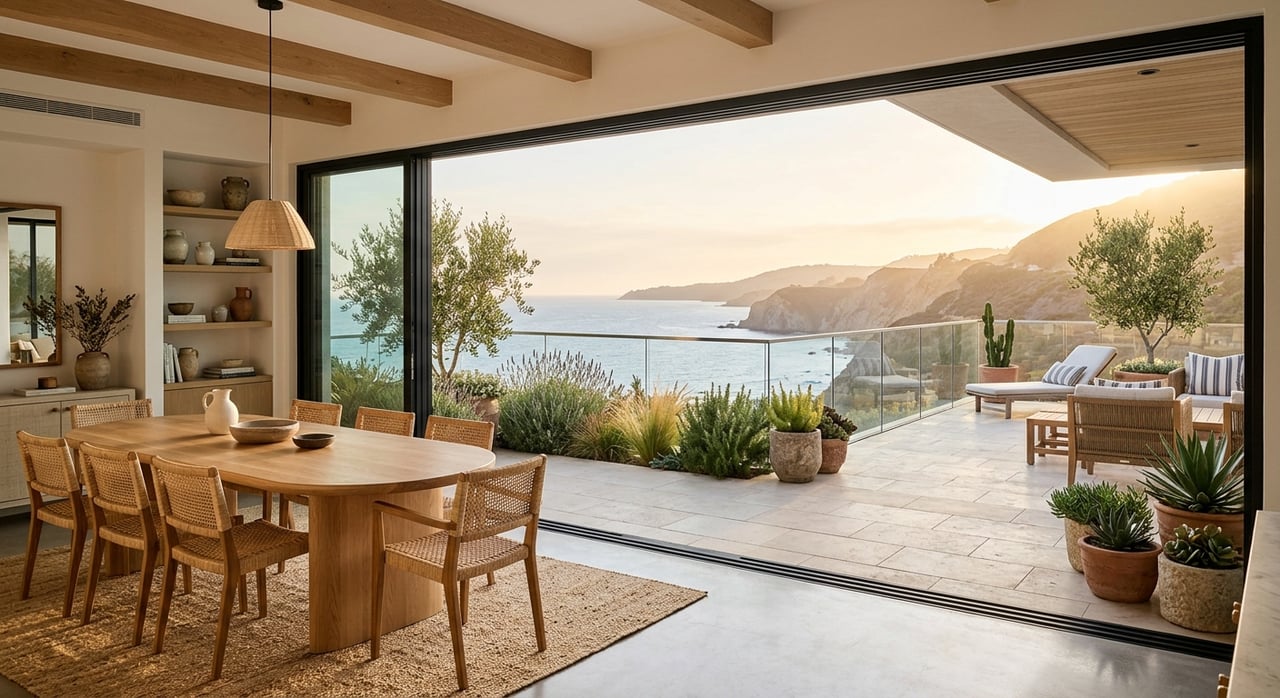
Wondering whether a Point Loma Heights view home is worth the premium? If you are drawn to ocean, bay, or skyline outlooks, you are not alone. In this part of San Diego, the right view can shape both your daily experience and a home’s long-term value. The key is knowing how to judge not just whether a home has a view, but how durable, usable, and financially sensible that view really is. Let’s dive in.
Why Point Loma Heights Draws View Buyers
Point Loma has natural appeal for view-driven buyers because of its geography. The City of San Diego notes that the area offers Pacific Ocean views to the west and Downtown and America’s Cup Harbor views to the east, which helps explain why outlooks are such a major part of the buying conversation in this market. The area’s coastal setting, elevated streets, and varied topography create pockets where two nearby homes can have very different sightlines.
That matters in Point Loma Heights because it can offer a more approachable entry into the broader Point Loma view market. According to Redfin’s Point Loma Heights housing market data, the neighborhood had a median sale price of $992,250 in February 2026, with homes averaging 26 days on market and 34.2% selling above list price. A Zillow neighborhood snapshot for Point Loma Heights puts the typical home value at $1,123,414, with 59 homes for sale and a 24-day median time to pending.
For context, broader Point Loma and nearby view-heavy areas often command much higher prices. That price spread is one reason buyers often focus on partial-view homes, homes with slightly better elevation, or homes where the view feels meaningful without reaching the pricing seen in more premium nearby coastal pockets.
Why Views Carry a Premium
A view is not just a pretty feature. In coastal markets, it can be a real value driver. Research cited in a San Diego County study on coastal home premiums estimated that homes within 500 feet of the coast carried a 101.9% premium compared with similar homes located more than six miles inland, though the authors note that this likely reflects a mix of access, cooler temperatures, and views.
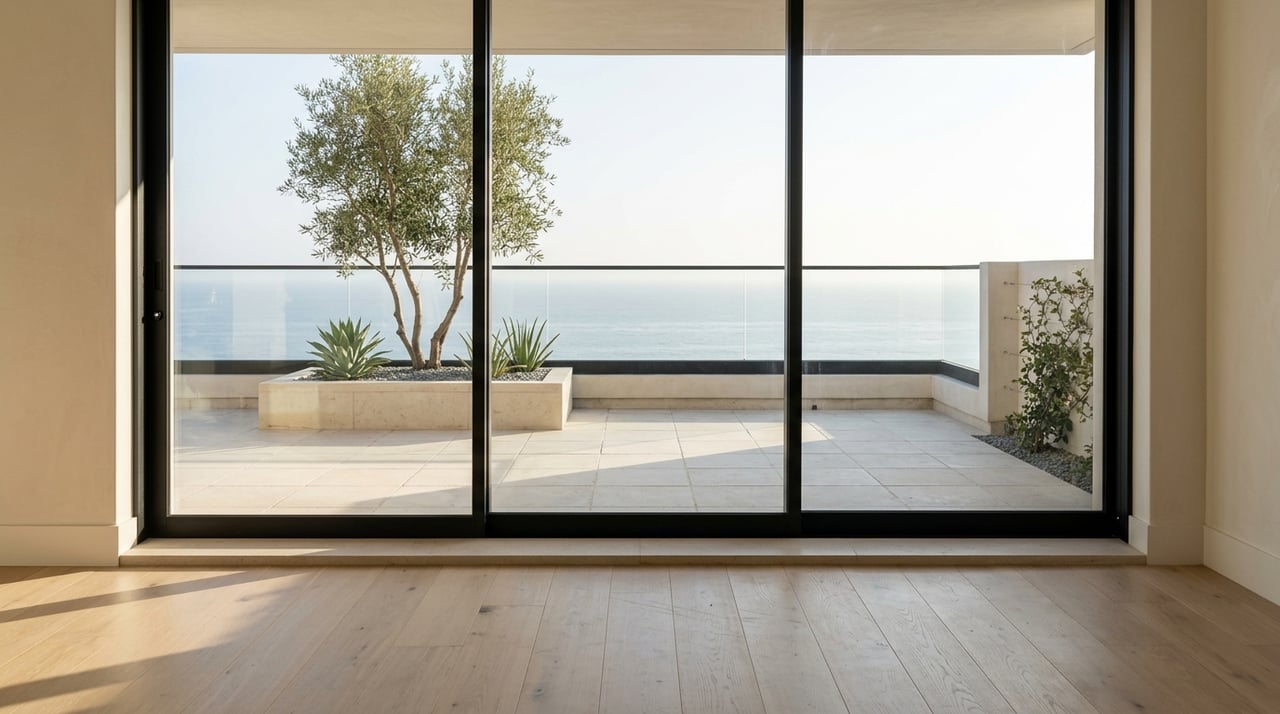
In practical terms, buyers in Point Loma Heights should treat “view” as a spectrum, not a checkbox. A broad, open, and daily-use view from main living spaces is often very different from a narrow peek visible only from one corner of an upper room. As the Appraisal Institute’s review of scenic-view valuation explains, scenic-view premiums are highly dependent on topography, orientation, and the exact relationship between the property and nearby surroundings.
What To Evaluate Beyond the View
Check Which Rooms Enjoy It
Not all views live the same way. A home may photograph well because of an upstairs angle, but your day-to-day experience may depend more on what you see from the kitchen, family room, primary bedroom, or outdoor living area. If the best outlook is isolated to one spot, the premium may feel less compelling once you move in.
The Appraisal Institute notes that neighboring properties can have radically different view corridors due to geometry and topography. That is why you should look carefully at lower-floor visibility, not just upper-level outlooks, and think about how often you will actually enjoy what you are paying for.
Test Light, Sun, and Glare
Orientation changes the feel of a view home. Morning light, afternoon heat, glare, and sunset exposure can all affect comfort. A west-facing home may offer dramatic evening skies, but you may also want to understand how the home handles late-day sun inside key living spaces.
Walk the property at different times of day if possible. A view that feels perfect at 10 a.m. may feel very different at 5 p.m., especially if glare, heat, or fading privacy become issues.
Think About Privacy Too
A wide-open outlook can come with trade-offs. In some cases, the same elevated position that creates a great view also exposes the home to neighboring sightlines, street visibility, or less separation from nearby properties.
The Peninsula Community Plan encourages setbacks and design approaches that preserve visual access and avoid a continuous wall effect along certain areas. For you as a buyer, that means privacy, spacing, and surrounding massing deserve close attention along with the view itself.
Consider Architecture and Lot Character
A view home in Point Loma is not one single property type. The Peninsula includes a mix of older Spanish-styled homes, postwar single-family properties, contemporary coastal homes, and multifamily pockets, according to the community plan. Two homes may have similar outlooks but feel completely different based on layout, lot size, remodel quality, and how the architecture frames the horizon.
That is why the best purchase is not always the home with the biggest advertised view. Sometimes the smarter buy is the property where the view works naturally with the floor plan, outdoor areas, and overall condition.
Risks That Can Affect Future Value
Ask How Permanent the View Really Is
One of the biggest mistakes view buyers make is assuming today’s sightline is permanent. It may not be. The Peninsula Community Plan notes development potential for some remaining vacant hillside lots and possible lot splits in certain neighborhoods, which means an open outlook today could change over time.
That does not mean every view is at risk. It does mean you should ask what protects the sightline. Is it elevation, setback, open space, or simply the fact that a neighboring parcel has not changed yet? A durable view usually deserves stronger confidence than a fragile one.
Review Terrain and Geologic Conditions
If a home sits near a slope, hillside, or bluff-influenced area, the land deserves as much scrutiny as the scenery. The City’s Sunset Cliffs Natural Park page highlights the area’s coastal bluffs, arches, and sea caves, while the Peninsula conservation materials identify erosion, bluff instability, slope instability, landslide-prone areas, and liquefaction potential in parts of the Peninsula.
For buyers, this is a practical due diligence issue. If you are considering a home on or near a slope, ask for geotechnical reports, drainage information, retaining wall records, and maintenance history before paying a premium.
Factor In Noise and Access
A view does not guarantee a peaceful setting. The Peninsula conservation element notes aircraft-noise impacts in parts of the community and identifies airport-noise reduction as a local goal. Depending on the exact location, you may also notice traffic exposure, tighter parking conditions, or access limitations.
This is why an in-person visit matters so much. A home that looks ideal online may reveal trade-offs once you spend time on the street, in the yard, and inside the main living areas.
How To Judge Value in Point Loma Heights
Because Point Loma Heights sits in a competitive upper-tier segment, pricing a view home requires more than comparing broad neighborhood averages. You need to look at micro-market differences, elevation, view quality, privacy, lot utility, and risk factors together.
In a market where Point Loma Heights remains active and competitive, a partial view home with strong light, good layout, and a more durable sightline may offer better value than a higher-priced property with a more dramatic but less protected view. That is especially true when nearby submarkets trade at meaningfully different price points.
Here is a simple way to think about it:
- Best long-term value: A view protected by elevation or open space, visible from main living areas, with manageable risk and good privacy.
- Situational value: A partial or narrower view paired with a strong floor plan, usable outdoor space, and a more attainable price point.
- Higher caution: A premium-priced home where the view depends heavily on neighboring lots staying unchanged, or where terrain, glare, noise, or privacy issues reduce enjoyment.
Point Loma Heights View Home Checklist
Before you make an offer, work through this checklist:
- Confirm whether the view is protected by elevation, setback, or open space.
- Ask what could be built, added, or planted in the sightline later.
- Compare the home to true local comps, not just broad Point Loma pricing.
- Check which rooms and outdoor spaces actually enjoy the view.
- Visit at different times of day to test light, heat, glare, privacy, and noise.
- Review slope, drainage, retaining wall, and geotechnical records if the lot has terrain exposure.
- Weigh the view against layout, condition, and long-term usability, not just listing photos.
Final Thoughts on Buying a View Home
In Point Loma Heights, a view can absolutely be worth paying for, but only when you understand what you are buying. The strongest purchases tend to be homes where the outlook is attractive, usable, and more likely to hold up over time. When the view aligns with the home’s main living spaces and the site carries fewer future surprises, you are usually making a more confident decision.
If you want help evaluating a Point Loma Heights view property with a sharp eye on value, risk, and negotiation strategy, connect with Kris Gelbart. You will get thoughtful, local guidance tailored to how you actually want to live.
FAQs
What makes a Point Loma Heights view home more valuable?
- A Point Loma Heights view home is often more valuable when the outlook is broad, visible from main living areas, and less likely to be blocked by future changes on nearby lots.
How competitive is the Point Loma Heights housing market for buyers?
- Based on Redfin’s February 2026 data, Point Loma Heights was competitive, with a median sale price of $992,250, 26 days on market, and 34.2% of homes selling above list price.
Should you pay more for a partial-view home in Point Loma Heights?
- A partial-view home can make sense if the price, floor plan, light, privacy, and long-term usability are stronger than a more expensive home with a less durable or less functional view.
How can you check whether a Point Loma Heights view is protected?
- You can review the home’s elevation, surrounding setbacks, nearby open space, adjacent lot conditions, and local planning context to better understand whether the current sightline may change.
What risks should buyers consider with Point Loma view homes?
- Buyers should look closely at possible future view obstruction, slope or bluff-related conditions, drainage, retaining walls, noise exposure, and access trade-offs before paying a premium.