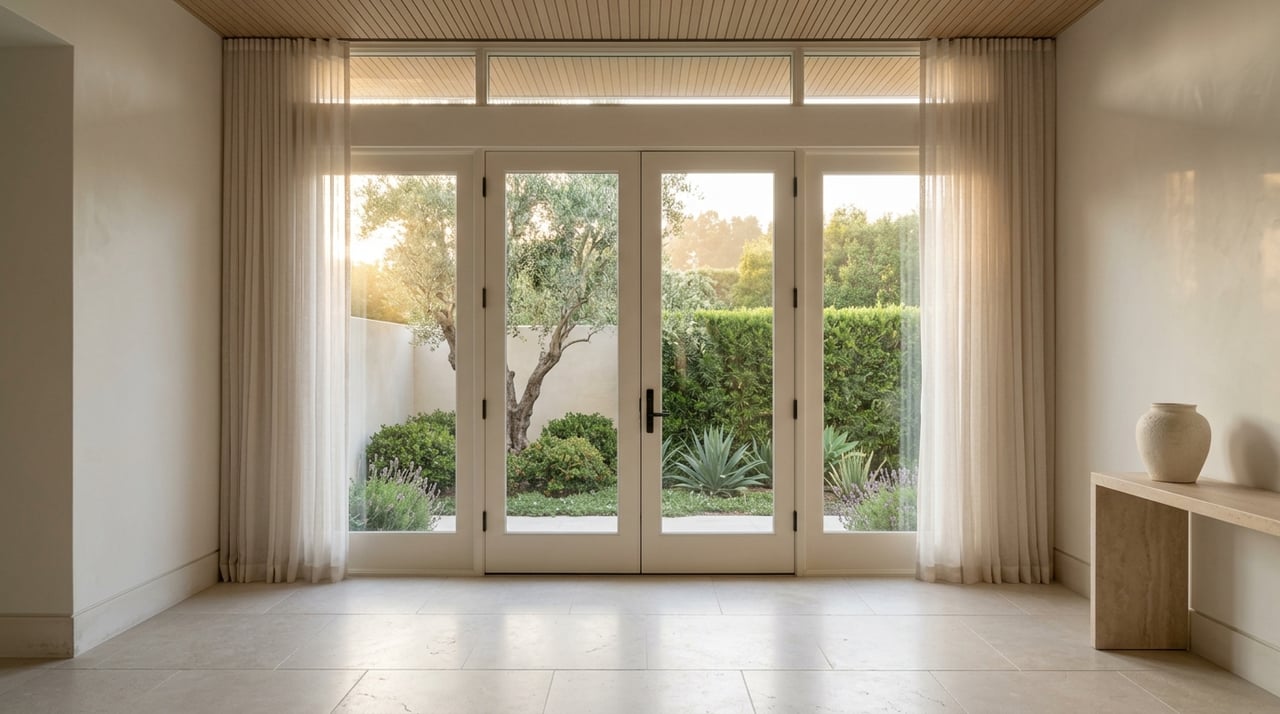
Selling a Rancho Santa Fe estate quietly is not as simple as skipping a yard sign. If privacy matters, you need a plan that protects your time, your personal information, and your property while still preparing the home to impress serious buyers. The good news is that Rancho Santa Fe is especially well suited to a measured, discreet approach, and with the right preparation, you can move forward confidently. Let’s dive in.
Why Rancho Santa Fe Supports Privacy
Rancho Santa Fe offers a unique backdrop for a low-profile sale because privacy is already part of how the community operates. The Rancho Santa Fe Association identifies privacy, safety, and security as core priorities, and it maintains full-time private security patrol and 24-hour security services within the Covenant.
That local structure matters when you are planning a discreet listing. The Association also oversees land-use regulations across about 1,930 private and commercial properties, which means many estate owners are already used to thoughtful property standards and controlled presentation.
There is also room for a careful timeline. According to Redfin’s Rancho Santa Fe housing market data for February 2026, the median sale price was $3,995,000 and homes averaged about 84 days on market, with multiple offers described as rare. In a market like that, you may have time to prepare thoroughly before your home is exposed to buyers.
Start With a Quiet Pre-Market Plan
A discreet sale works best when the work happens before buyers ever step through the door. That means thinking through repairs, presentation, photography, disclosures, and showing procedures as one coordinated process instead of handling each step separately.
This is where a concierge-style approach can help. If you want to limit exposure, your home should be ready before the first private conversation begins.
Consider a Pre-Sale Inspection
A pre-sale inspection is not required in California, but the National Association of Realtors seller guide notes that it can reveal issues you may want to address before the home is shown. If a major item like the roof or HVAC needs work, that guide recommends at least pricing the repair even if you decide not to complete it.
This step can be especially useful in a discreet sale because it reduces surprises later. It can also help you prepare for California disclosure obligations if an issue is uncovered.
Handle Repairs Before Marketing
In a private sale, first impressions still matter. Buyers who are invited into a limited-access showing often expect the property to feel polished and ready.
The same NAR guide recommends cleaning windows, carpets, lighting fixtures, and walls, reducing clutter, and improving curb appeal through landscaping, paint, and the front entry. Those steps can improve both in-person presentation and photography, which is important even if your marketing plan is selective.
Stage Key Rooms Strategically
Staging is one of the most effective ways to strengthen a quiet listing. In the NAR 2025 Profile of Home Staging, 83% of buyers’ agents said staging made it easier for buyers to visualize the property as a future home.
That report also found that the living room, primary bedroom, and kitchen were the most important rooms to stage. Photos, physical staging, videos, and virtual tours were all considered important, and virtual staging may offer some of the same benefits with less work and lower cost.
For Rancho Santa Fe sellers, the practical takeaway is simple: finish vendor work, decluttering, and staging before the first photography session and before serious private showings begin. That way, your home enters the market in its best light without a public trial run.
Protect Privacy During Showings
Discretion is not just about where your home is marketed. It is also about who gets access, what they see, and how carefully each step is managed.
A strong showing strategy helps you maintain control while still creating a smooth experience for qualified buyers.
Limit Access to Qualified Buyers
The NAR safe listings guidance recommends limiting access to pre-qualified or properly identified buyers. That is a smart baseline for any luxury property, but it is especially important when privacy is a top priority.
You should also remove or secure valuables, personal papers, family photos, calendars, address books, medications, and weapons during the listing period. These small details can make a major difference in protecting confidentiality.
Use Controlled Access Tools
Showing logistics can either support discretion or undermine it. The SentriKey showing service overview from NAR describes tools for managing property access, showings, and communication, which can support a more controlled appointment process.
For an estate sale, that kind of structure helps reduce unnecessary traffic and keeps access limited to scheduled, trackable visits. It also gives you a cleaner process than open-ended showings.
Understand Private Listing Options
Many sellers assume a discreet sale simply means staying off the MLS. In reality, there are several listing options, and each comes with tradeoffs.
What matters most is choosing an approach that matches your goals for privacy, timing, and exposure.
Office Exclusive and Delayed Marketing
Under NAR’s Multiple Listing Options for Sellers policy, effective March 25, 2025, sellers may have access to office exclusive and delayed marketing exempt listings. If you choose one of those options, you must sign a disclosure acknowledging that MLS and public marketing benefits are being waived or delayed.
This is an important decision, especially in a luxury market. A more private launch may support confidentiality, but it can also reduce the broader exposure that sometimes helps generate competition.
Broker-to-Broker Outreach Matters
NAR also explains that one-to-one broker-to-broker communication about a listing does not trigger Clear Cooperation requirements, while multi-brokerage communication can count as public marketing. For a Rancho Santa Fe estate owner, that distinction can be useful.
In practical terms, a selective broker network may allow you to test interest quietly before considering broader exposure. The key is making sure the strategy is deliberate, documented, and aligned with current policy.
Stay Compliant With Disclosures
A private sale does not reduce your legal disclosure duties. Even if your home is marketed selectively, California law still requires proper disclosure.
According to the California Civil Code, the Real Estate Transfer Disclosure Statement must be delivered as soon as practicable before transfer of title, and it may not be waived in an as-is sale. That means discretion and compliance must move together.
The NAR consumer guide on seller disclosures also notes that disclosures can include material defects and natural hazard information. For properties in North County estate markets, wildfire-related disclosures may be especially relevant.
Address Wildfire Readiness Early
Wildfire preparation is an important part of pre-listing planning in Rancho Santa Fe. If your property is located in a State Responsibility Area or Very High Fire Hazard Severity Zone, defensible space rules may apply.
The California Board of Forestry explains the required defensible space zones, and the Rancho Santa Fe Fire Protection District’s year-round hazard-abatement standards make ongoing maintenance an important issue for owners. In a sale context, overgrown vegetation or deferred exterior maintenance can affect both presentation and compliance.
Taking care of these items early can help your estate show better and reduce friction during buyer due diligence. It also signals that the property has been maintained responsibly.
Be Careful With Privacy Improvements
Some sellers want to add or upgrade entry features before listing, such as gates, pilasters, or driveway elements. In Rancho Santa Fe, those changes are not just a design choice.
The Association’s gate and driveway guidance says these features require approval and should remain understated to preserve the area’s open, rural character. If you are considering visible privacy upgrades before selling, it is wise to factor in approval requirements and timing.
Your Discreet Sale Checklist
If you want to prepare your Rancho Santa Fe estate for a low-profile launch, focus on these priorities:
- Review your privacy goals and desired level of market exposure
- Consider a pre-sale inspection
- Complete repairs and deferred maintenance before photography
- Declutter and stage key rooms for photos and private showings
- Remove personal items and secure sensitive belongings
- Create a controlled showing plan for qualified buyers only
- Understand office exclusive or delayed marketing rules before choosing a path
- Stay current on disclosure requirements
- Address wildfire defensible space and exterior maintenance early
- Confirm any gate or driveway improvement plans comply with Association standards
A discreet sale is usually most successful when it feels calm, organized, and intentional from the beginning.
If you are thinking about selling privately in Rancho Santa Fe, working with an experienced local advisor can help you balance presentation, policy, and confidentiality without losing sight of value. When you are ready for a tailored strategy, connect with Kris Gelbart for a complimentary home valuation and a thoughtful plan built around your goals.
FAQs
What does a discreet home sale in Rancho Santa Fe usually involve?
- A discreet sale usually involves careful pre-market preparation, controlled buyer access, selective marketing, and full compliance with disclosure requirements.
Do Rancho Santa Fe sellers have to complete a pre-sale inspection?
- No. A pre-sale inspection is not required in California, but NAR notes that it can help uncover issues before showings and support better planning.
Can a Rancho Santa Fe estate be sold without public MLS exposure?
- Possibly. NAR policy allows office exclusive and delayed marketing options in some situations, but sellers must sign disclosures acknowledging that MLS and public-marketing benefits are being waived or delayed.
Do California disclosure rules still apply in a private estate sale?
- Yes. California disclosure requirements still apply, including delivery of the Real Estate Transfer Disclosure Statement as soon as practicable before transfer of title.
What wildfire issues should Rancho Santa Fe home sellers check before listing?
- Sellers should review defensible space, vegetation management, and any local hazard-abatement requirements that may affect property condition, compliance, or buyer review.
Do Rancho Santa Fe gate or driveway upgrades require approval?
- Yes. The Rancho Santa Fe Association says gates, pilasters, and certain driveway features require approval and should fit the community’s open, rural character.