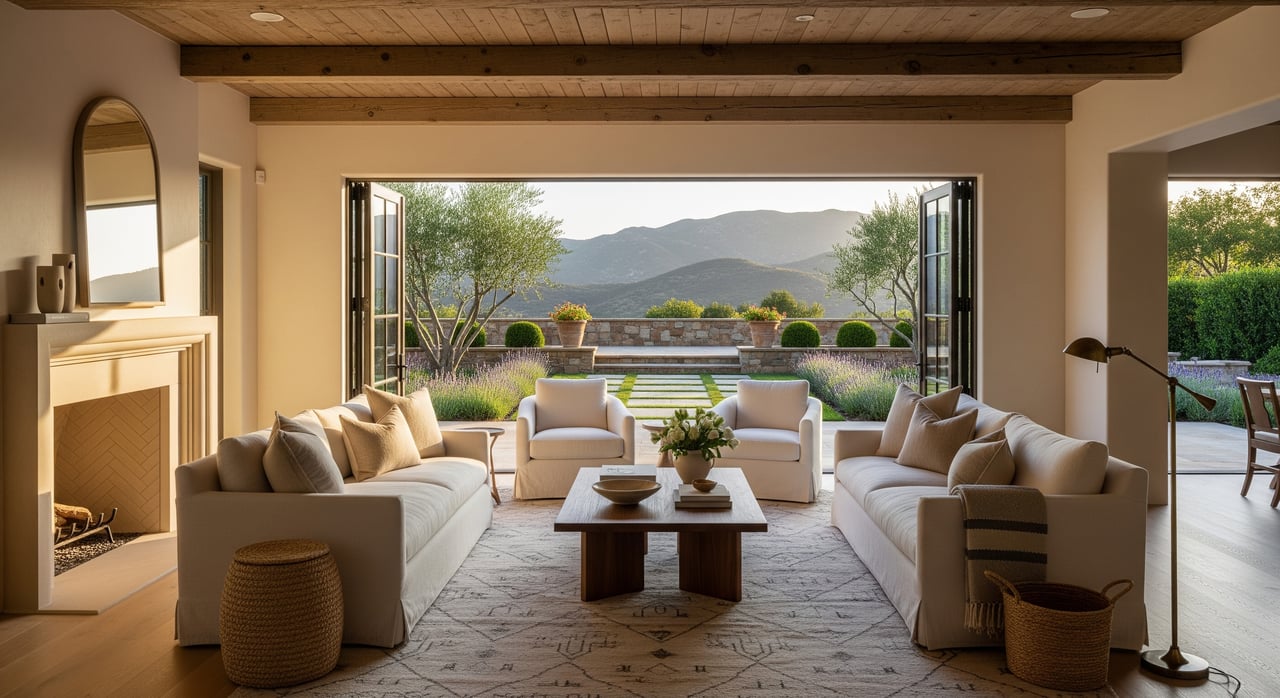
You have one chance to make your Rancho Santa Fe estate unforgettable online and in person. In this market, presentation is part of the price, and buyers expect a polished lifestyle experience from the first photo to the final walkthrough. If you want top dollar, your staging needs to match your home’s scale, architecture, and outdoor living. This guide shows you how to stage strategically for Rancho Santa Fe: what to emphasize, room-by-room tactics, timing, costs, and local rules to know. Let’s dive in.
What buyers expect in Rancho Santa Fe
Buyers here are often seeking privacy, entertaining spaces, and seamless indoor/outdoor living. They value quality, authenticity, and a curated look that feels both aspirational and livable. Large rooms and acreage are common, so staging must communicate scale and function. Photography, drone footage, floor plans, and thoughtful staging are standard expectations.
Core principles that sell estates
- Quality over quantity. Use fewer, higher-quality pieces that match the home’s price point and architecture.
- Neutral, warm palette. Keep walls and large upholstery neutral, then add curated art and textiles for character.
- Right-size everything. Oversized sofas, substantial coffee tables, and large rugs help define zones and show proportion.
- Layer lighting. Use natural light, ambient fixtures, task lamps, and accent lighting. Plan exterior lighting for twilight photos.
- Lead with sightlines. Arrange seating to frame views, gardens, and fireplaces. Let buyers see what makes the property special.
- Give every space a job. Convert ambiguous rooms into a library, office, gym, media room, or guest suite.
- Show amenities with restraint. Display wine rooms, smart-home features, or theaters without clutter.
Room-by-room strategies
Curb appeal and arrival
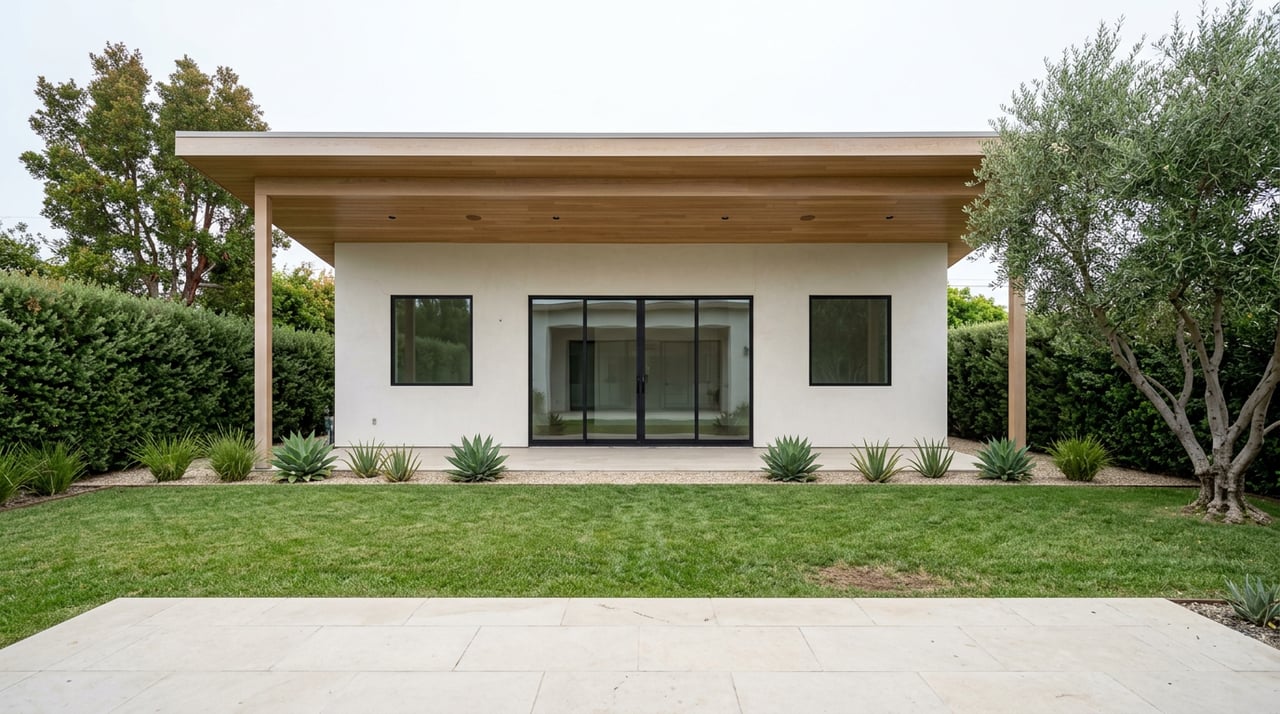
- Refresh landscaping, trim hedges, and pressure wash driveways and paths.
- Polish door hardware and clean exterior glass. Add scaled potted plants to the entry.
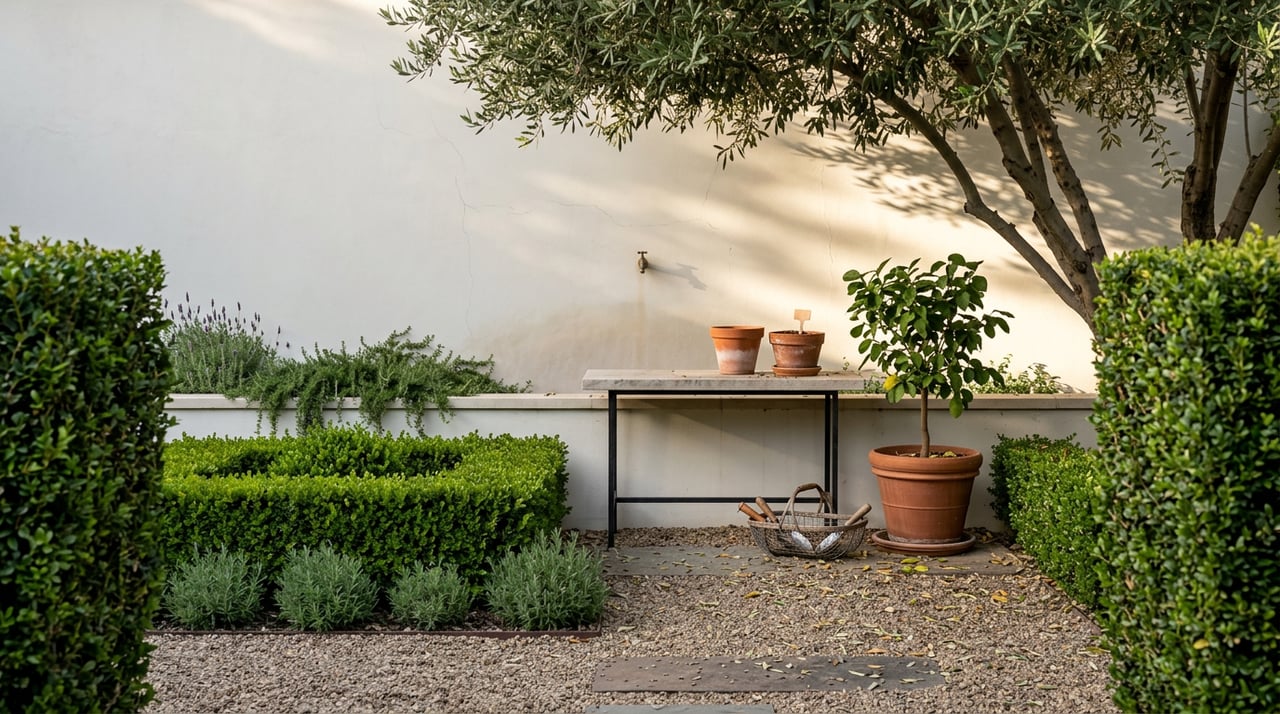
- In large courtyards, create a focal vignette such as a statement planter or small seating area.
Great room and living areas
- Create conversation groupings sized to the room. Anchor each zone with a rug big enough for at least the front legs of seating.
- Keep furniture slightly off baseboards to reveal wall scale and trim detail.
- Use neutral upholstery with layered textures and a few high-quality pillows or throws.
- Stage one or two focal vignettes, and orient seating toward views when possible.
Kitchen and dining
- Keep counters nearly bare: a bowl of citrus, a cookbook, or a single cutting board is enough.
- Set an informal breakfast nook for scale. In the dining room, set the table and use a low centerpiece.
- Clean appliances, panels, and fixtures so they photograph flawlessly.
Primary suite and bathrooms
- Layer bedding with crisp linens, matching nightstands and lamps, and add a seating area if space allows.
- Organize closets neatly. Buyers will check them.
- In baths, clear surfaces and stage with plush towels, a simple tray, and greenery. Ensure glass and fixtures shine.
- If the suite opens to a terrace, stage it as an extension with loungers and a small table.
Guest rooms, office, and secondary spaces
- Define obvious uses: a welcoming guest suite, a professional office, or a fitness room.
- In large open spaces, use rugs or furniture clusters to break up the room and show multiple zones.
Outdoor living, pools, and acreage
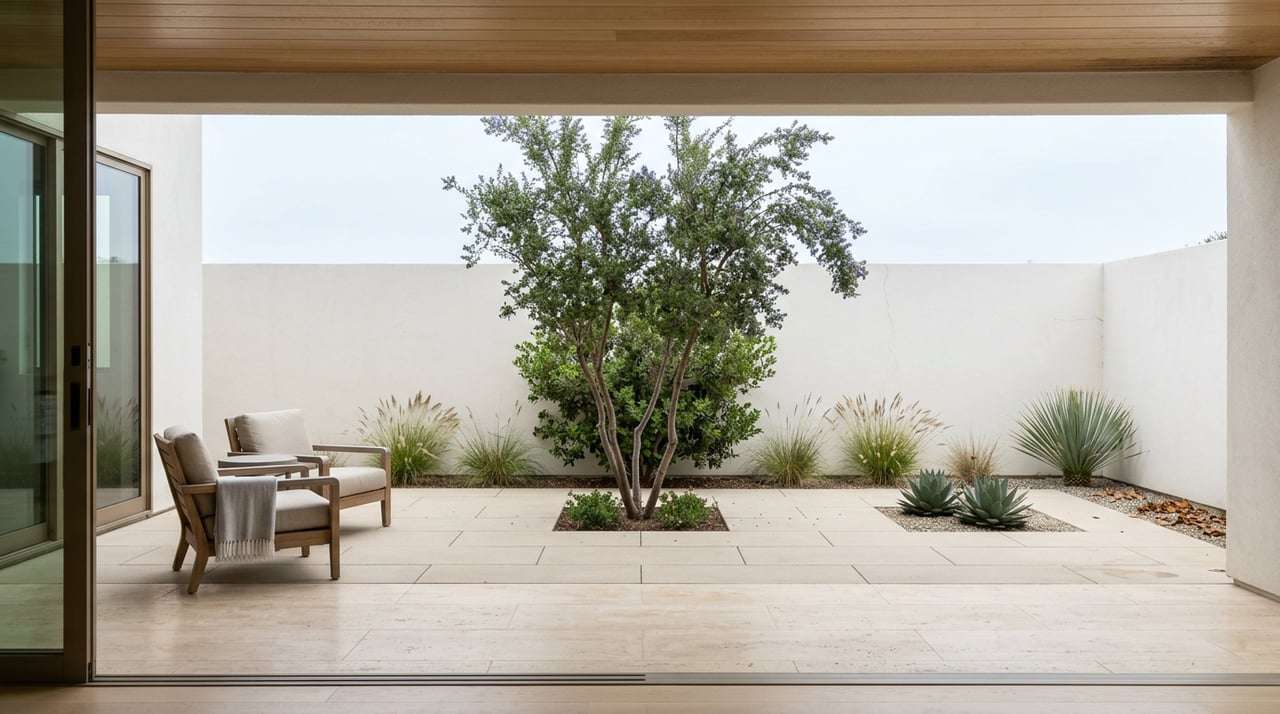
Present distinct outdoor “rooms”: alfresco dining, lounge seating, poolside cabanas, an outdoor kitchen, and a fire pit area.
Scale outdoor furniture to terraces and decks, and use high-quality cushions.
For acreage, stage small vignettes to show use: a picnic setup, a play area, or a quiet seating nook.
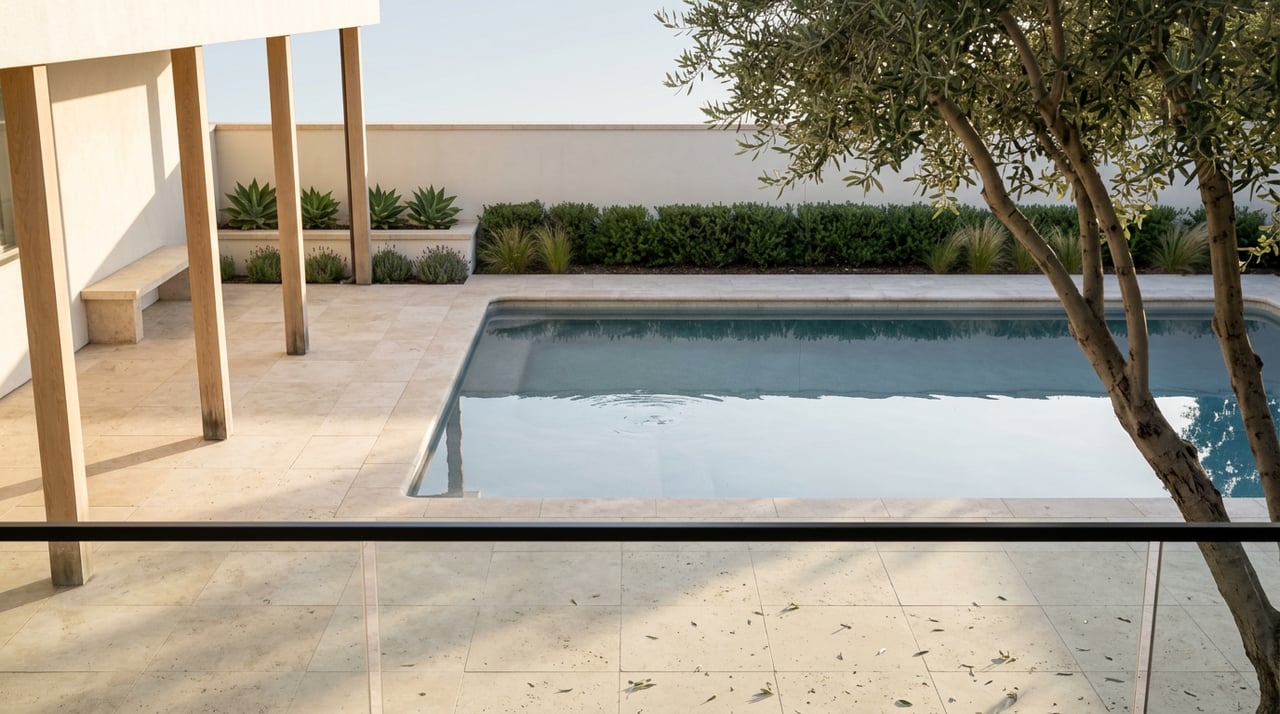
Keep the pool crystal clear and the surrounding surfaces spotless. Add neatly folded towels and minimal accessories.
Equestrian and specialty amenities
- For equestrian facilities, present clean arenas and organized tack rooms. Highlight trails and turnout areas in marketing.
- In wine rooms, theaters, or galleries, stage a single refined display rather than many small props.
Logistics and timing
- Plan the flow: declutter and repair, deep clean and landscape, install staging, then schedule professional photos and tours.
- Coordinate staging with painting, flooring work, or landscape refresh to avoid rework.
- Larger estates may require more time for installation and show prep. Build in buffer days for touchups.
Vacant vs. occupied homes
- Vacant properties often need full rental staging to convey scale and livability.
- Occupied homes benefit from “light staging”: editing, rearranging for flow, and a few rental pieces to fill gaps.
- In both cases, depersonalize and clarify each room’s function to reduce buyer effort.
Costs and ROI in context
- Luxury staging is bespoke. Pricing depends on scope, furniture quality, installation complexity, and rental length.
- Consider all components: design and install fees, monthly rental, photography and drone services, and landscape or pool maintenance during showings.
- Professionally staged properties tend to attract more interest, perform better online, and often sell faster. In luxury segments, elevated presentation helps you achieve top dollar and reach qualified buyers quickly.
Photography and media that convert
- Use professional HDR photography, twilight exterior shots, and drone imagery to show acreage and context.
- Add floor plans and 3D tours so buyers can grasp flow and scale before visiting.
- Virtual staging can supplement vacant rooms in marketing, and should be disclosed. For high-end listings, physical staging plus pro photography is preferred.
Local rules and show logistics
- Many homes sit within covenant or association areas. Verify rules before adding signage, temporary exterior displays, or plantings that alter protected landscaping.
- For large properties, plan for valet parking during open houses, clear access instructions, and coordinated security across guest houses or barns.
- Confirm insurance coverage in staging contracts for furniture, artwork, and the property during install, showings, and pickup.
Tailor staging to likely buyers
- Entertainer or host: emphasize kitchen flow, formal dining, and multiple indoor/outdoor seating zones.
- Privacy-seeking executive or family: stage a private study, a serene primary suite, and a discreet guest wing.
- Equestrian buyer: spotlight barns, arenas, turnout areas, and tack organization.
- Multi-generational buyer: show flexible spaces such as a guest house, in-law suite, and media room.
- Relocating buyer: highlight move-in readiness and lower-maintenance landscape options.
Quick pre-listing checklist
- Engage your listing agent and a luxury stager.
- Declutter, depersonalize, deep clean, and complete minor repairs and paint touchups.
- Tidy landscaping, prune trees, check irrigation, and pressure wash hardscape.
- Plan furniture for outdoor rooms and any guest or staff spaces.
- Install staging, then schedule professional photos, twilight exteriors, drone, and floor plans or a 3D tour.
- Maintain landscape, pool, and interiors throughout the listing period, and keep an inventory log for rental items.
Ready to list with confidence
Staging in Rancho Santa Fe is about telling a clear lifestyle story, demonstrating scale, and making every space feel purposeful. With the right plan, you can elevate online impact, shorten time on market, and position your estate for the best possible outcome. If you want a concierge approach that handles staging, premium marketing, and negotiations from start to finish, connect with Kris Gelbart for a tailored plan that fits your home and goals.
FAQs
How much should I budget to stage a Rancho Santa Fe estate?
- Costs vary by size and scope. Luxury staging is bespoke, so request detailed proposals from experienced local stagers, including design fees, monthly rentals, delivery, and installation.
Is full staging necessary for high-end properties in this area?
- Full staging is strongly recommended in luxury markets because buyers expect a professional presentation. Staged homes tend to perform better online and in person.
Can virtual staging replace physical staging for luxury listings?
- Virtual staging can help with marketing for vacant rooms, but it does not replace the impact of physical staging in luxury segments. Disclose virtual staging when used.
When should staging happen in the listing timeline?
- Install staging before professional photos and the live listing. Coordinate staging with any repairs, paint, flooring, or landscape work so the home is show-ready from day one.
Are there local rules about signage or exterior changes when staging?
- Many properties are in covenant or association areas that restrict signage and certain exterior changes. Confirm guidelines with the appropriate association before installing signs or displays.